
Hunter-Gatherers Had It Right: What We Can Learn About Leisure and Sharing
The Surprising Truth About Ancient Abundance and Modern Burnout

The Surprising Truth About Ancient Abundance and Modern Burnout
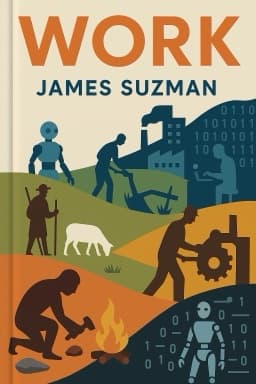
Imagine a world where work is not a grind, but a joyful rhythm woven into daily life. In Work, James Suzman reveals that for most of human history, this was the norm. Hunter-gatherers, far from being perpetually on the edge of starvation, actually worked less and played more than most people do today. Anthropological studies of the Ju/’hoansi of the Kalahari, the Hadza of Tanzania, and other forager groups show that basic needs could be met in just 15-20 hours a week. The rest of the time was spent in storytelling, ritual, and communal activities.
Central to their way of life was demand sharing—a radical form of generosity that ensured no one went hungry or hoarded resources. Social status was based on skill, wisdom, and generosity rather than wealth. This created strong social bonds and minimized conflict. Modern research echoes these findings: societies with greater equality and social support report higher levels of happiness and health.
Contrast this with today’s world, where many are caught in a cycle of overwork, stress, and burnout. The rise of the sharing economy and interest in work-life balance reflect a longing for the values that defined ancient foragers. Suzman’s insights suggest that by reclaiming some of these practices—valuing leisure, prioritizing relationships, and sharing resources—we can build more resilient and fulfilling communities.
The wisdom of the hunter-gatherers is not just a relic of the past; it is a blueprint for a more humane and joyful future. As we face the challenges of automation and abundance, their lessons are more relevant than ever.
References: Suzman, J. (2021); anthropological research summarized in SoBrief and Goodreads reviews.
Want to explore more insights from this book?
Read the full book summary