
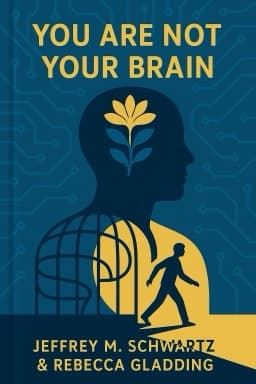
Childhood Roots, Adult Patterns: How Early Experiences Shape Your Brain—and How to Heal
Unravel the link between early emotional experiences and adult habits, and discover how to rewrite your story.

Unravel the link between early emotional experiences and adult habits, and discover how to rewrite your story
Why do some people struggle with anxiety or self-criticism, even when their lives seem outwardly successful? The answer often lies in the emotional blueprints laid down in childhood. According to You Are Not Your Brain, our earliest experiences with caregivers teach us how to feel, love, and cope. If your needs for attention, acceptance, affection, appreciation, and allowing (the Five A’s) were met, your brain likely developed healthy pathways for resilience. If not, you may find yourself stuck in cycles of fear, perfectionism, or self-doubt.
The Science of Emotional Learning
Neuroscience shows that the brain’s wiring is shaped by repeated experiences, especially in early life. When caregivers respond with warmth and encouragement, the brain forms circuits for trust and self-worth. When met with criticism or neglect, it wires for anxiety and hypervigilance. But here’s the good news: these patterns are not set in stone. 1 2
The Five A’s: Keys to Healing
- Attention: Noticing your feelings and needs.
- Acceptance: Embracing yourself as you are.
- Affection: Offering kindness and warmth.
- Appreciation: Valuing your efforts and qualities.
- Allowing: Giving yourself permission to grow and change.
If you missed these in childhood, you can learn to offer them to yourself now. This process—sometimes called 'reparenting'—is a cornerstone of self-healing and brain change.
Stories of Renewal
One woman, raised in a critical household, began a daily practice of self-appreciation and gentle self-talk. Over time, her anxiety lessened, and she found it easier to pursue her goals. A man who felt invisible as a child learned to give himself attention through journaling and mindfulness, building new circuits for confidence and connection.
Practical Steps for Healing
- Notice your automatic thoughts and ask, 'Whose voice is this?'
- Practice the Five A’s daily, even in small ways.
- Seek supportive relationships that reinforce your new patterns.
With patience and compassion, you can rewrite your story—one choice at a time. For more insights and practical tools, explore You Are Not Your Brain and start your journey of self-healing today. 1 2 3
Want to explore more insights from this book?
Read the full book summary