
The Hidden Power of Sensation: Why Your Feelings Aren’t Always Facts
Learn to distinguish between real emotions and brain-generated false alarms.

Learn to distinguish between real emotions and brain-generated false alarms
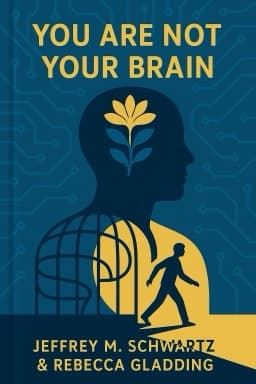
Have you ever felt a wave of anxiety, sadness, or craving that seemed to come out of nowhere? You might assume these feelings mean something is wrong, but neuroscience tells a different story. In You Are Not Your Brain, Dr. Schwartz and Dr. Gladding reveal how the brain’s ancient alarm systems—the amygdala and insula—can flood you with sensations that feel urgent and real, even when there’s no real danger or need.
The Biology of False Alarms
When you experience a deceptive brain message, the 'Uh Oh Center' of your brain lights up, triggering physical symptoms like a racing heart, tight chest, or a knot in your stomach. These sensations are designed to get your attention, but they are not always accurate signals. Sometimes, they’re just the echo of old habits, past traumas, or anxious thinking patterns. 1 2
Emotional Sensations vs. True Emotions
Not every feeling is a fact. True emotions are rooted in actual events—sadness after a loss, joy after a success. Emotional sensations caused by deceptive brain messages, on the other hand, are often out of proportion or disconnected from reality. Recognizing this difference is the first step to freedom.
Breaking the Cycle
When a strong sensation arises, try this:
- Pause and label the feeling: 'This is just a brain-generated sensation.'
- Observe it with curiosity, not judgment.
- Refocus on a value-driven action, even if the feeling lingers.
Over time, these steps weaken the power of false alarms and build resilience. Real-life stories in the book show how people have used these tools to overcome panic attacks, food cravings, and compulsive urges.
Why It Works
Brain imaging studies confirm that mindful awareness and the Four Step Method can reduce activity in the brain’s alarm centers. With practice, you learn to ride the waves of sensation without letting them dictate your actions. This is not denial—it’s wisdom in action, and it’s available to everyone. 1 2
Start Your Journey
If you’re ready to stop letting your feelings control your life, remember: not every sensation is a signal. By learning to pause, label, and observe, you can reclaim your peace and live with greater confidence and calm. For more science-backed strategies, explore the full teachings of You Are Not Your Brain. 1 2 3
Want to explore more insights from this book?
Read the full book summary