
Gray Rhinos vs. Black Swans: Why We Ignore the Obvious and Panic at the Unlikely
Decoding the Dangers Hiding in Plain Sight

Decoding the Dangers Hiding in Plain Sight
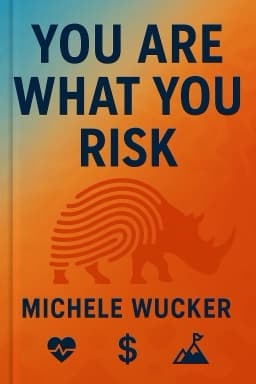
Financial crashes, pandemics, and political upheavals often seem to come out of nowhere. But as Michele Wucker argues in The Gray Rhino, many of these crises were not unpredictable ‘black swans’—they were ‘gray rhinos’: highly probable, high-impact threats that we see coming but still choose to ignore. Why do we do this? The answer lies in our psychology, our culture, and our collective blind spots.
Black swans are rare and unpredictable. They get all the headlines because they’re shocking. But gray rhinos are the dangers we can see a mile away: the looming debt crisis, the melting polar ice, the unhealthy habits we ignore until it’s too late. Wucker’s insight is that we spend so much time worrying about the improbable that we miss the obvious. This isn’t just a business problem—it’s a human one.
Why do we ignore gray rhinos? Denial is comfortable. It’s easier to hope a problem will go away than to face it head-on. Groupthink makes it worse; when everyone around you is ignoring a threat, it’s hard to be the lone voice of warning. The stories in Wucker’s book—from companies that saw disruption coming but failed to adapt, to governments that ignored public health warnings—show how costly this blindness can be.
The good news? You can train yourself and your organization to spot gray rhinos. It starts with honest conversations, diverse perspectives, and a willingness to face uncomfortable truths. By naming the rhino, you take away its power. You prepare, adapt, and act before it’s too late. The difference between disaster and resilience is often just the courage to see what’s right in front of you.
Up next: how risk empathy and team diversity can help organizations spot—and survive—the next charging rhino.
Want to explore more insights from this book?
Read the full book summary