
Risk Empathy: The Surprising Superpower for Better Teams and Relationships
How Understanding Others’ Risk Attitudes Transforms Collaboration

How Understanding Others’ Risk Attitudes Transforms Collaboration
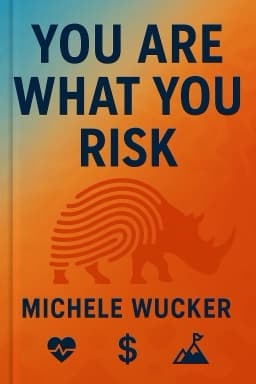
Imagine a team where every member sees risk differently. Some are ready to leap at new ideas, others want to analyze every detail. Conflict seems inevitable—unless you have risk empathy. Michele Wucker’s research shows that understanding and respecting each other’s risk fingerprints can turn friction into fuel for creativity and resilience.
Risk empathy is the ability to put yourself in someone else’s shoes—not just emotionally, but in how they weigh uncertainty. In high-stakes environments, this skill is invaluable. Teams that practice risk empathy are better at brainstorming, faster at adapting to change, and more likely to avoid costly mistakes. They listen to the cautious voices without stifling innovation, and they empower the bold without ignoring real dangers.
Consider a product launch where the marketing team wants to move fast, but the engineers are worried about safety. Without risk empathy, these differences become battles. With it, they become strengths. The team finds a balanced path, launching quickly but with safeguards in place. Wucker’s examples show that risk empathy isn’t just nice to have—it’s essential for success in a complex world.
Building risk empathy takes practice. It starts with listening—really listening—to your teammates’ concerns and hopes. It means sharing your own risk fingerprint honestly, and being willing to adapt. The payoff? Teams that don’t just survive uncertainty, but thrive on it.
Next: The culture of risk—how organizations develop their own fingerprints, and why it matters for innovation and resilience.
Want to explore more insights from this book?
Read the full book summary