
Article from Book Summary
7 Life-Changing Lessons from ‘You Are Your Best Thing’ That Will Transform Your Healing Journey
Unlock the Wisdom of Black Vulnerability and Resilience—One Story at a Time

Diego Rivera
February 23, 2022366 views
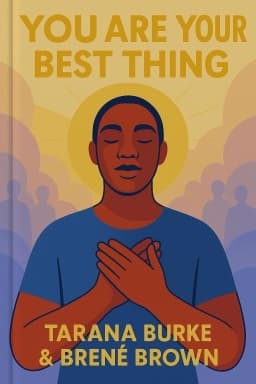
You Are Your Best Thing: Vulnerability, Shame Resilience, and the Black ExperienceTarana Burke & Brené Brown (Editors)
Unlock the Wisdom of Black Vulnerability and Resilience—One Story at a Time
- Vulnerability is Strength, Not Weakness. The stories in this anthology show that being open about pain and struggle is the first step toward healing. By sharing our truths, we break generational cycles of shame.
- Shame Thrives in Silence—Speak Your Truth. Many contributors describe the liberation that comes from naming their shame and refusing to let it define them. This act of testimony is both healing and transformative.
- Community Care is Essential. Healing doesn’t happen in isolation. The book celebrates safe spaces—community centers, healing circles, and support networks—where Black people can be fully themselves.
- Intersectionality Matters. The essays highlight how race, gender, sexuality, and disability intersect to shape unique experiences. Embracing every part of our identity is key to true liberation.
- Joy is an Act of Resistance. In the face of oppression, the contributors reclaim joy through music, art, and celebration. Joy is not a distraction, but a radical form of survival.
- Resilience is Rooted in Connection. The book makes clear that resilience isn’t about going it alone—it’s about drawing strength from community, ancestors, and shared purpose.
- Healing is Ongoing and Collective. The final lesson is that healing is a journey, not a destination. It requires ongoing reflection, mutual support, and a commitment to collective liberation.
By internalizing these lessons and applying them in daily life, readers can begin their own journey toward healing and empowerment. ‘You Are Your Best Thing’ is more than a book—it’s a blueprint for building a better world, one story at a time. 2 4
Want to explore more insights from this book?
Read the full book summary