
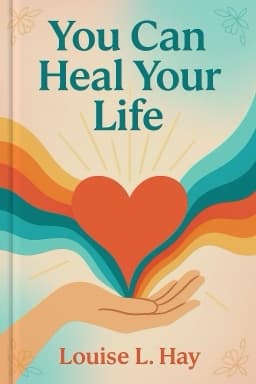
7 Surprising Ways ‘You Can Heal Your Life’ Can Transform Your Mind and Body
How Louise Hay’s Timeless Wisdom Can Rewire Your Life—Starting Today

How Louise Hay’s Timeless Wisdom Can Rewire Your Life—Starting Today
If you’ve ever wondered whether your thoughts could really change your life, Louise Hay’s ‘You Can Heal Your Life’ offers a resounding yes. This beloved book, first published in 1984, has sold over 50 million copies worldwide and inspired countless people to take charge of their healing journey. But what makes Hay’s approach so powerful—and so different from other self-help books?
At its core, Hay’s philosophy is simple yet profound: our thoughts and beliefs create our reality. From the way we see ourselves to the way our bodies feel, everything begins with the mind. Hay shows us that even the most deeply rooted patterns—like self-criticism, resentment, or fear—can be transformed with awareness, compassion, and consistent practice.
1. The Power of the Present Moment
Hay teaches that the point of power is always in the present. No matter what has happened in the past, you can choose a new thought right now. This is liberating for anyone who feels stuck or defined by their history. Imagine waking up each morning and deciding, “Today, I choose peace.” That single intention can shift the entire course of your day.
2. Rewriting Childhood Programming
Most of our limiting beliefs are formed in early childhood, often before age seven. Hay encourages us to gently uncover these old patterns—not to blame our parents or teachers, but to understand where our stories began. Through self-inquiry and compassion, we can release beliefs that no longer serve us.
3. Affirmations: The Language of Healing
Affirmations are not just positive thinking—they’re powerful tools for reprogramming the subconscious mind. By repeating statements like “I am worthy of love” or “I trust the process of life,” we create new mental pathways. Science now supports what Hay taught decades ago: repetition changes the brain. Start with one affirmation today and notice how your mood shifts.
1
4. Forgiveness as a Gift to Yourself
Many people carry resentment for years, not realizing it’s like drinking poison and expecting the other person to suffer. Hay’s exercises in forgiveness are about freeing yourself from the burden of old hurts. She reminds us that forgiveness is not about condoning bad behavior, but about releasing yourself from pain. Try writing a letter (you don’t need to send it) to someone you need to forgive, and see how much lighter you feel.
2
5. Mirror Work: Facing Yourself with Love
One of Hay’s most famous techniques is mirror work: looking into your own eyes and saying loving affirmations. At first, this may feel uncomfortable, but over time, it builds self-acceptance and confidence. Place sticky notes with kind words around your mirror as a daily reminder.
6. The Ripple Effect: Healing Relationships and Prosperity
As you change your inner world, your outer world shifts. Relationships improve as you set healthier boundaries and attract more positive people. Work becomes more fulfilling when you believe you deserve success. Even your finances can improve when you let go of beliefs about scarcity. Hay’s readers often report unexpected opportunities and deeper connections after practicing her teachings.
1
7. Healing Is a Journey, Not a Destination
Hay reminds us that growth is ongoing. You may revisit old patterns, but each time with more awareness and self-compassion. Celebrate every step forward, no matter how small. Your transformation will inspire others, creating a ripple of healing in your community.
Ready to Begin?
Start with one small change today—an affirmation, an act of forgiveness, or a moment of self-love. The journey may be long, but every step brings you closer to the life you deserve. As Hay writes, “The point of power is always in the present moment.”
References: Want to explore more insights from this book?