
Breaking the Cycle: How Forgiveness Sets You Free (and Heals Your Body)
Why Forgiving Others (and Yourself) Is the Most Radical Act of Self-Healing

Why Forgiving Others (and Yourself) Is the Most Radical Act of Self-Healing
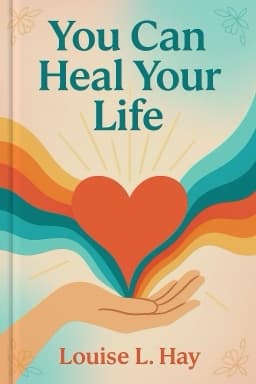
Forgiveness is a gift you give yourself. Louise Hay’s ‘You Can Heal Your Life’ teaches that holding onto resentment is like drinking poison and expecting someone else to suffer. This toxic burden can weigh down your heart, mind, and even your physical health.
The Weight of Resentment
Research shows that chronic anger and resentment can lead to stress-related illnesses, including high blood pressure, digestive issues, and weakened immunity. Letting go isn’t just an emotional act—it’s a physical one, too.
Forgiveness Exercises
Hay offers practical tools for forgiveness, such as writing unsent letters to those who hurt you, visualizing yourself releasing old pain, and repeating affirmations like, “I forgive you and set myself free.” These exercises help shift your focus from blame to compassion, opening the door to healing.
2
Forgiving Yourself
Many people find it harder to forgive themselves than others. Hay reminds us that self-forgiveness is essential for growth. Everyone makes mistakes; what matters is learning, growing, and choosing kindness for yourself.
The Benefits of Letting Go
Studies in psychology and neuroscience confirm that forgiveness reduces stress, lowers anxiety, and even improves physical health. People who practice forgiveness report feeling lighter, happier, and more at peace.
1
Common Myths About Forgiveness
Forgiveness does not mean condoning harmful behavior or forgetting what happened. It means choosing to release the emotional grip of the past so you can move forward.
Practical Steps
Start by identifying whom you need to forgive (including yourself). Write about your feelings, practice empathy, and use affirmations to reinforce your intention. Repeat as needed—healing happens in layers.
Conclusion
Forgiveness is one of the most radical acts of self-healing. By letting go, you free yourself to live fully, love deeply, and embrace new possibilities.
References: Want to explore more insights from this book?