
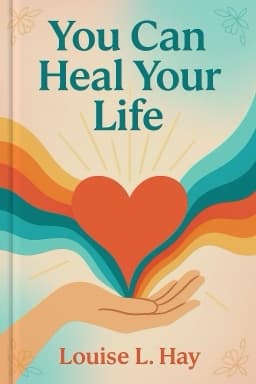
Can Your Thoughts Really Heal Your Body? The Science Behind Louise Hay’s Claims
Exploring the Evidence: What Modern Science Says About the Mind-Body Connection and Self-Healing

Exploring the Evidence: What Modern Science Says About the Mind-Body Connection and Self-Healing
Louise Hay’s belief that “every thought we think is creating our future” has inspired millions—but is there any scientific basis for her claims? Let’s dive deep into the research behind the mind-body connection, healing affirmations, and the real impact of positive thinking on physical health.
The Mind-Body Connection: Fact or Fiction?
Modern medicine increasingly recognizes that the mind and body are deeply intertwined. Stress, for example, is linked to a host of physical ailments—from heart disease to weakened immunity. When we experience chronic negative emotions, our bodies release stress hormones like cortisol, which can impair healing and increase inflammation.
Conversely, studies show that positive emotions—such as hope, gratitude, and love—can boost immune function and promote recovery. Practices like mindfulness meditation, gratitude journaling, and even laughter therapy are now used in hospitals to support patient well-being.
Do Affirmations Really Work?
Affirmations are a cornerstone of Hay’s teachings. While skeptics dismiss them as “wishful thinking,” research in neuroplasticity suggests otherwise. Repeating positive statements can help rewire the brain, making it easier to adopt new habits and beliefs. For example, MRI studies have shown that self-affirmation activates reward centers in the brain, reducing stress and increasing resilience.
1
The Placebo Effect: Mind Over Matter
One of the most compelling pieces of evidence for the power of belief is the placebo effect. Patients given a sugar pill often experience real improvements—simply because they believe they’re being treated. This phenomenon demonstrates that expectation and mindset can trigger real physiological changes.
Epigenetics: Changing Your Genes with Your Mind?
Emerging research in epigenetics suggests that our environment—including our thoughts and emotions—can influence gene expression. While this field is still young, it supports the idea that lifestyle and mindset can shape health outcomes in profound ways.
Where Science and Spirituality Meet
While Louise Hay’s approach shouldn’t replace medical care, her emphasis on self-love, forgiveness, and positive thinking aligns with many evidence-based practices for holistic health. Hospitals now offer programs in stress management, guided imagery, and support groups to enhance healing. The key is balance: use affirmations and self-care as complements to professional treatment.
Real-Life Stories
Many readers share stories of overcoming chronic pain, anxiety, or even serious illness after adopting Hay’s methods. While not every case can be explained by science, the power of hope and community is undeniable.
2
Conclusion
The science is clear: while thoughts alone may not cure every illness, they play a crucial role in shaping our health and resilience. Louise Hay’s teachings offer practical tools for anyone seeking to harness the power of the mind-body connection.
References: Want to explore more insights from this book?