
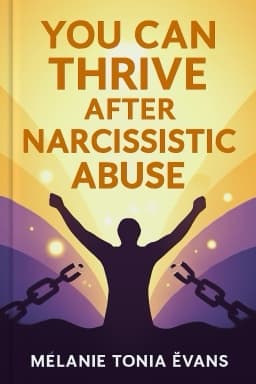
Unmasking Narcissistic Abuse: The Hidden Epidemic Destroying Lives and How to Heal
Discover the silent epidemic of narcissistic abuse, its deep psychological roots, and the transformative path to reclaim your life and freedom.

Introduction: The Silent Epidemic
Imagine a shadow that silently darkens the lives of millions, an invisible epidemic that leaves emotional devastation in its wake. Narcissistic abuse is exactly that — a hidden crisis affecting countless individuals worldwide. Rooted deeply in psychological trauma and often passed down through generations, this form of abuse is complex, multifaceted, and profoundly damaging.
The Origins of Narcissism: From Myth to Modern Science
The story begins with the ancient Greek myth of Narcissus, who fell in love with his own reflection, symbolizing self-obsession and fractured identity. This myth has transcended time, illustrating how narcissistic traits have long been recognized as a human challenge. Modern science reveals that trauma, including that which fosters narcissistic behaviors, can be passed epigenetically — through changes in gene expression affected by stress and emotional wounds. This means that the pain and dysfunction can echo across generations, making narcissistic abuse a public health issue beyond individual relationships.
Why We Attract Narcissists
Victims often wonder why they are drawn to narcissists despite the pain involved. The answer lies in unhealed childhood wounds, low boundaries, and the unconscious need to heal through the very people who perpetuate their suffering. Narcissists are master manipulators, presenting a charming facade that masks their controlling and abusive nature. Trauma bonding creates a physiological addiction to the emotional highs and lows, making it difficult to break free.
The Many Faces of Narcissistic Abuse
Narcissistic abuse manifests in emotional, physical, sexual, financial, and spiritual forms, often overlapping and escalating. Victims may maintain outward success while internally suffering from anxiety, depression, and physical ailments. The trauma is stored not only in the mind but also in the body, affecting the nervous system and overall health. Healing requires holistic approaches that address both mind and body.
Why Time Alone Doesn’t Heal
Contrary to popular belief, time alone does not heal deep trauma. Emotional overwhelm hijacks the brain’s rational functions, and traditional talk therapy often cannot reach the subconscious and energetic layers where trauma resides. Active, integrative healing methods are necessary to release trauma, rewire the brain, and restore the body.
The Vital First Step: No Contact and Self-Love
Breaking free begins with the radical act of no contact — cutting all communication with the abuser to break trauma bonds and stop manipulation cycles. Alongside this, cultivating unconditional self-love empowers victims to set firm boundaries and reclaim their autonomy. This step is comparable to quitting an addiction and is essential for lasting recovery.
Spiritual Empowerment and Liberation
Healing deepens through spiritual connection, whether to a Higher Power, Life Force, or inner wisdom. This connection nurtures resilience, provides emotional support, and awakens innate strength. Liberation unfolds gradually with patience and self-compassion, culminating in joyful living free from fear and control.
Conclusion: Your Path to Thriving
Narcissistic abuse is a devastating but conquerable epidemic. Understanding its roots, dynamics, and healing steps empowers survivors to reclaim their lives. Through no contact, releasing illusions, setting boundaries, and connecting spiritually, freedom and joy become possible. Remember, your journey is a testament to the resilience of the human spirit and the transformative power of love — starting with the love you give yourself.
For further reading and resources, explore books such as 'Narcissistic Abuse Recovery' and 'Healing After Narcissistic Abuse,' which offer comprehensive guides and tools for survivors. 1 2 4
Want to explore more insights from this book?
Read the full book summary