
How Humor and Storytelling Are Powerful Weapons Against Racism
Discover how laughter and shared stories help heal wounds and fight back against systemic racism.

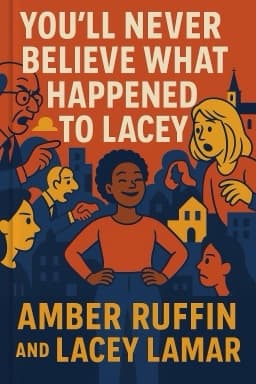
Racism inflicts deep wounds, but as Amber Ruffin and Lacey Lamar reveal in 'You'll Never Believe What Happened to Lacey,' humor and storytelling offer potent paths to healing and resistance. The book captures how laughter can disarm hostility and how sharing stories transforms isolation into solidarity.
Storytelling is more than entertainment; it is an act of reclaiming agency. By voicing personal experiences, individuals process trauma and build connections that transcend loneliness. These narratives foster empathy and create a collective memory that strengthens community bonds.
Humor, meanwhile, exposes the ridiculousness of racist assumptions and behaviors. It provides relief and a means to confront pain without being overwhelmed. The authors demonstrate how comedy can challenge prejudice, making difficult conversations more accessible and less threatening.
Critics and readers alike praise the book’s ability to balance levity with serious reflection. The use of humor does not diminish the gravity of racism but rather illuminates its absurdity and resilience in the face of oppression.
This blog encourages embracing creative expression as a form of empowerment. Whether through laughter or storytelling, these tools help transform pain into power and pave the way for social change.
For further exploration of these themes, consult reviews and essays from sources such as The Austin Chronicle and Salon. 3 , 4
Want to explore more insights from this book?
Read the full book summary