
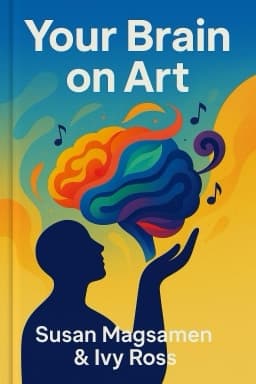
Unlocking Your Brain’s Secret Superpower: How Art Heals, Transforms, and Makes You Happier
Discover the surprising science behind why art isn’t just for artists—it’s medicine for your mind and body.
Imagine if there was a pill that could lower your stress, boost your mood, help you recover from trauma, and even extend your life. Now imagine that this pill was free, had no side effects, and was available to everyone, regardless of age or background. It sounds too good to be true, but the latest science shows that this 'pill' exists—it's called art.
For centuries, we’ve thought of art as a luxury, reserved for the talented or the wealthy. But groundbreaking research from neuroscientists, psychologists, and global health organizations is turning that idea on its head. Art, it turns out, is not a luxury—it’s a necessity. Engaging with art, whether by creating or simply appreciating it, triggers a cascade of changes in your brain and body that support healing, resilience, and joy.
At the heart of this revolution is the concept of neuroplasticity. Your brain is not a fixed organ—it’s a living, changing forest of connections. Every time you listen to music, doodle, dance, or gaze at a beautiful painting, you’re lighting up new neural pathways, strengthening your mind’s ability to adapt, learn, and heal. Research shows that even short bursts of creativity—like coloring for 20 minutes or humming a tune—can lower stress hormones, reduce anxiety, and improve mood. This is why doctors in places like the UK and Canada are now prescribing arts activities alongside traditional medicine for patients with depression, chronic pain, and more. 1 2
But the benefits go even deeper. Art activates the brain’s reward system, releasing dopamine—the same chemical that makes food, love, and laughter feel good. It also engages the default mode network, the part of your brain responsible for self-reflection, memory, and imagination. This means that art isn’t just about pleasure—it’s about making sense of your life, processing emotions, and imagining new possibilities. For trauma survivors, expressive arts like painting, writing, and dance offer a way to heal without words, reaching places that talk therapy can’t always touch. 3 4
So how can you harness this secret superpower? The answer is simple: start small. You don’t need to be an artist, and you don’t need fancy supplies. Try doodling while you’re on the phone, singing in the shower, or taking a moment to really notice the colors and sounds around you. These microdoses of creativity add up, rewiring your brain for resilience and joy. And if you want to go further, join a community choir, take a dance class, or visit a museum—these shared experiences amplify the benefits, building connection and empathy.
In a world that often feels overwhelming, art is a lifeline. It’s medicine for your mind, body, and soul. So pick up a brush, turn up your favorite song, or simply pause to notice the beauty around you. Your brain—and your heart—will thank you.
References: WHO Lancet Arts & Health Series, BMC Public Health, Frontiers in Psychology, National Institutes of Health.
Want to explore more insights from this book?
Read the full book summary