
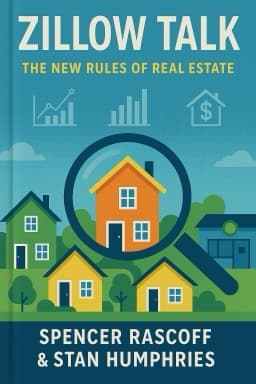
Debunking Real Estate Myths: What Really Makes a Home a Good Investment?
Forget What You’ve Heard—Here’s What the Data Shows About Buying and Renovating Homes

Real estate is a world awash in old sayings and inherited wisdom. But as any seasoned investor—or data scientist—will tell you, not all advice stands up to scrutiny. Let’s shine a light on the myths that have cost buyers and sellers fortunes, and see what the numbers really say.
Take the classic: 'Buy the worst house in the best neighborhood.' On paper, it sounds perfect. In reality, data shows that the bottom 10% of homes in affluent areas often underperform. Why? Most buyers in these neighborhoods want move-in-ready prestige, not fixer-uppers. The result: these homes linger on the market and appreciate more slowly than their mid-tier neighbors.
Renovation myths are just as persistent. Many assume a fancy kitchen or a luxury bathroom will pay for itself come sale time. But the truth is more nuanced. Modest bathroom remodels offer the best bang for your buck, while high-end upgrades often return less than you spend. Even curb appeal—think fresh paint or landscaping—can outshine a costly basement overhaul when it comes to ROI.
Timing, too, is everything. Listing your home in early spring, when buyers are most active, can net you thousands more than selling in the doldrums of winter. The smartest sellers watch the market, not just their own to-do lists.
The lesson is clear: trust the data, not the folklore. By focusing on what truly adds value—and ignoring the noise—you can make choices that transform your home from a place to live into a powerful engine for building wealth.
Want to explore more insights from this book?
Read the full book summary