
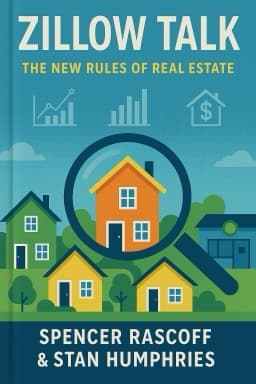
The Surprising Truth Behind Home Value: How Data Is Changing the Game
What Every Homeowner Needs to Know About the New Rules of Real Estate

For decades, the real estate market was a world of secrets. Home values were whispered about at block parties, and the only way to truly know what your neighbor’s house sold for was to ask—if you dared. But in the digital age, all that has changed. Data is now the heartbeat of the housing market, and the story of how it’s reshaping our world is as fascinating as any bestselling novel.
Let’s start with the Zestimate, Zillow’s now-famous home value estimate. What most people don’t realize is that this number isn’t pulled out of thin air. It’s crafted from a symphony of public records, recent sales, tax assessments, and even subtle neighborhood trends. Each night, millions of predictive models are rebuilt, learning from every new sale and listing. This relentless pursuit of accuracy means that your home’s value is more than just a guess—it’s a living, breathing reflection of the market.
But why does this matter? Because knowledge is power. When buyers and sellers have access to the same information, the playing field is leveled. No longer can a slick agent or an overconfident neighbor sway your decision with anecdotal evidence. You can see, at a glance, how your home compares to others, what features are in demand, and where the market is heading.
Consider the so-called 'Starbucks Effect.' Studies have shown that homes within walking distance of a Starbucks appreciate faster than those farther away. It’s not just about coffee—it’s about the signals that businesses send. When a major brand invests in a neighborhood, it’s often a sign that the area is on the rise. Savvy buyers watch for these clues, using data to get ahead of the curve.
Of course, not all data is created equal. The best insights come from combining hard numbers with local knowledge. A Zestimate might tell you what your home is worth, but only you know about the secret garden in the backyard or the renovations that make it unique. The future of real estate belongs to those who can blend data with storytelling, facts with feeling.
So, whether you’re buying, selling, or just dreaming, embrace the power of data. The more you know, the better your decisions will be—and the closer you’ll get to finding the perfect place to call home.
Want to explore more insights from this book?
Read the full book summary