
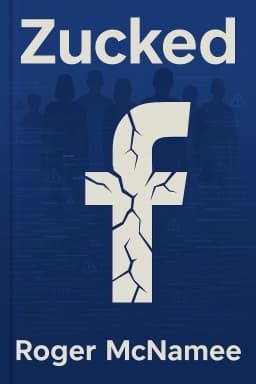
The Hidden Architects: How Silicon Valley’s Culture Shapes the Digital World
Inside the Beliefs and Biases Driving Today's Technology

Behind every app you use and every platform you visit, there’s a story of ambition, risk, and belief. Silicon Valley, the birthplace of modern technology, is more than just a place—it's a mindset. From the legendary PayPal Mafia to the rise of the lean startup, the Valley’s unique culture has shaped the tools and networks that define our lives.
At the heart of this culture is a fierce belief in disruption. Early tech leaders, emboldened by rapid success and venture capital, championed the idea that moving fast and breaking things was not just acceptable, but necessary. This led to an environment where innovation thrived, but also where caution and reflection were sometimes overlooked.
Libertarian values run deep here. Many founders see regulation as a barrier and trust the market to sort out problems. This has led to incredible creativity and lowered barriers for new entrants, but it has also contributed to issues like lack of diversity, ethical blind spots, and a tendency to prioritize growth over social responsibility.
The lean startup model, now a global phenomenon, was born in this crucible of experimentation. By launching quickly, gathering feedback, and pivoting fast, startups can scale with minimal resources. The result is a landscape where anyone with a laptop and an idea can dream big—but also where failures can be swift and far-reaching.
As the tech industry matures, the need for empathy, inclusion, and ethical reflection has never been greater. The next wave of innovation must balance ambition with accountability, ensuring that the digital world we build serves everyone—not just the disruptors.
Stay tuned for our next post, where we’ll explore how regulation and user activism are reshaping the future of technology.
Want to explore more insights from this book?
Read the full book summary