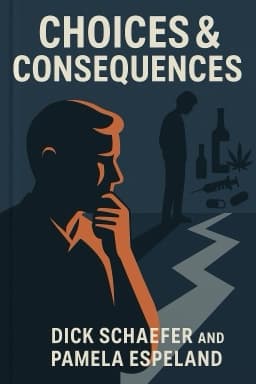
Dick Schaefer; Pamela Espeland
A practical, step-by-step guide to understanding and intervening in teenage alcohol and drug use to promote recovery and healthy development.
Chemical dependence is recognized as a disease by major medical associations since the 1980s.
Section 1
8 Sections
Imagine a young person stepping tentatively into a world filled with confusing emotions and pressures. This world is complicated by the presence of substances that promise relief, escape, or excitement.
Consider the stages of involvement: from initial use, often experimental or social, to misuse where control is still possible, to abuse marked by harmful consequences, and finally addiction where choice is lost.
Examples abound of teens who, within a year or less, find themselves unable to stop despite mounting problems. The substances they use vary widely, with alcohol remaining the most common gateway, followed by marijuana and increasingly powerful drugs like crack cocaine. The emotional and social turmoil of adolescence—identity struggles, peer pressure, and self-esteem issues—intersect with this disease in complex ways.
Understanding chemical dependence as a disease frees caregivers from blame and guilt. It shifts the focus to compassionate, informed intervention. It also highlights the importance of a network of support and the need to break enabling behaviors that allow the disease to flourish. This foundational knowledge sets the stage for exploring the deeper emotional and developmental challenges faced by teenagers, which we will uncover in the next section.
Now, let's delve into the emotional landscape of adolescence and how it shapes the experience of substance use.
What characterizes chemical dependence as a disease?
15 more quizzes available in app
Understanding addiction as a chronic, progressive disease that affects brain function and behavior.
8 more insights available in app
Unlock all 8 sections, 9 insights, full audio, and interactive mind map in the SnapBooks app.
Unveiling the urgent realities of teen addiction and how families can reclaim hope and healing
Read articleA practical guide for caregivers to regain control and foster real change
Read article