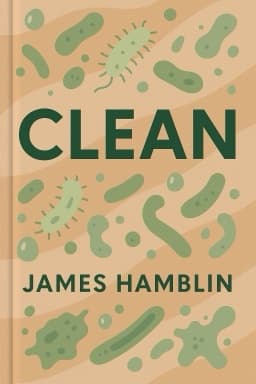
James Hamblin
A groundbreaking exploration of skin science, hygiene history, and the microbiome that challenges modern cleanliness norms.
Humans carry more microbial cells than human cells on and inside their bodies.
2 more facts available in the app
Section 1
10 Sections
Imagine your skin not as a simple shield but as a vibrant, bustling metropolis. Beneath the surface, it is home to trillions of microscopic inhabitants—bacteria, fungi, and even tiny mites—that live in delicate balance.
Among the most fascinating residents of this ecosystem are the Demodex mites, so small they require magnification to be seen. These mites have lived on human faces for millennia, quietly exfoliating dead skin cells and contributing to the natural maintenance of our outer layer.
This relationship between skin and microbes challenges the traditional view of cleanliness. What we often think of as dirt or contamination can be a sign of a healthy, balanced microbiome. Over-washing or excessive use of antimicrobial products can disrupt this balance, leading to dry, irritated skin or increased susceptibility to disease.
Yet, our social constructs of cleanliness go far beyond biology. The expectations of being 'clean' are often shaped by cultural norms, privilege, and the desire for acceptance. These standards influence how we care for our skin and how others perceive us, sometimes at the expense of our skin's natural harmony.
As we embark on this journey, keep in mind that understanding the skin's secret world opens doors to rethinking hygiene, health, and beauty. The next section will explore how our instincts for cleanliness evolved and the profound role disgust plays in protecting us.
What makes up the majority of cells living on human skin?
19 more quizzes available in app
Skin is not just a passive barrier but a complex, regenerating organ with multiple layers and functions.
8 more insights available in app
Unlock all 10 sections, 9 insights, full audio, and interactive mind map in the SnapBooks app.
Unlock the hidden world living on your skin and learn why less can be more when it comes to washing.
Read articleFrom ancient fat and lye mixtures to billion-dollar brands, discover the fascinating journey of soap and how it shaped modern hygiene culture.
Read article
Michael F. Roizen, M.D. and Michael Crupain, M.D., M.P.H.

Sara Gottfried, MD

Molly Carmel

David Perlmutter, MD
