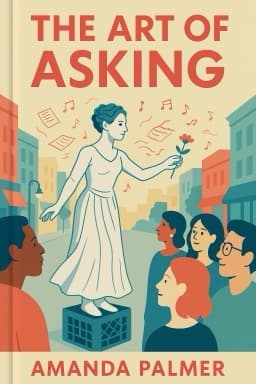
Amanda Palmer
A moving exploration of vulnerability, community, and the life-changing power of asking for help.
Amanda Palmer was one of the first musicians to raise over a million dollars on Kickstarter, setting a precedent for independent artists.
Section 1
7 Sections
What is often mistaken for weakness but is actually a foundation of connection?
13 more quizzes available in app
Allowing ourselves to be seen and to ask is the first step to true human connection.
7 more insights available in app
Unlock all 7 sections, 8 insights, full audio, and interactive mind map in the SnapBooks app.
Unpacking How Embracing Vulnerability Can Transform Your Life and Relationships
Read articleWhat Every Dreamer Needs to Know About Building Community and Trust
Read article