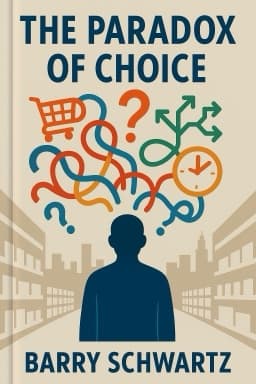
Barry Schwartz
Excessive choice in modern life can lead to anxiety and dissatisfaction, but mindful strategies can restore well-being.
The average American supermarket carries over 30,000 items.
Section 1
10 Sections
Imagine walking into your local supermarket, a place that should be a simple stop for essentials but instead feels like a labyrinth of endless possibilities. Shelves stretch endlessly, brimming with over 30,000 different items. From 85 cracker varieties to 285 cookie options, from 75 iced teas to 116 kinds of skin cream, the choices are dizzying. This abundance, while a symbol of freedom and progress, often leaves us paralyzed rather than empowered.
Consider the story of a shopper who wanted just a simple pair of jeans. Once, there was just one style, but now dozens of fits, washes, and finishes confront the buyer. The process that should take minutes turns into a daylong ordeal filled with doubt and anxiety. This microcosm reflects a broader reality: our culture has exploded with choices in every domain—utilities, health insurance, retirement plans, medical care, education, entertainment, and even identity.
Take, for example, the deregulation of telephone services. What was once a simple decision—use the local provider—has become a maze of competing companies and plans, each with complex pricing and features. Similarly, health insurance, once a straightforward offering, now requires navigating a bewildering array of HMOs, PPOs, deductibles, and drug plans. Retirement plans have multiplied from a single pension to hundreds of investment options, forcing individuals to become amateur financial experts or risk poor outcomes.
This vast freedom is a double-edged sword. While it provides autonomy and the potential for better matches to personal preferences, it also demands more time, energy, and cognitive resources. Many consumers find themselves sticking to familiar brands or default options, not out of preference but out of necessity to reduce the overwhelming burden of choice.
Even in entertainment, the proliferation of cable channels and on-demand services means that no two people may share the same viewing experience, eroding shared cultural moments. In education, the shift from a fixed curriculum to a vast array of courses and majors offers freedom but also forces young adults to make complex decisions with long-term consequences at a time when they may lack the maturity or information to choose wisely.
Ultimately, this section introduces the paradox that while choice is essential to autonomy and well-being, an excess can overwhelm and diminish the very freedom it promises. As we move forward, we'll explore how we make these choices, why this abundance can cause suffering, and what we can do to reclaim satisfaction and peace.
Let us now delve into the fascinating mechanisms behind how we choose, the mental shortcuts and biases that shape our decisions.
How many items does a typical supermarket carry?
19 more quizzes available in app
Modern life presents an unprecedented number of choices, complicating simple tasks.
9 more insights available in app
Unlock all 10 sections, 10 insights, full audio, and interactive mind map in the SnapBooks app.
Discover the surprising ways an abundance of options can sabotage your happiness and learn practical strategies to reclaim joy in decision-making.
Read articleUncover how your approach to decisions shapes your well-being and learn which style might be best for you.
Read article