Simon Wiesenthal
A powerful exploration of forgiveness and moral responsibility through Simon Wiesenthal's encounter with a dying Nazi soldier.
The Sunflower sparked international debate and has been used widely in educational settings to discuss moral philosophy.
Section 1
9 Sections
In the bleakness of the concentration camp, where despair clings to every stone and shadow, a moment unfolds that will forever haunt the conscience of a prisoner. Imagine the dim, cold hospital room where a young, bandaged man lies dying. His face pale, his eyes barely visible behind stained bandages, he reaches out with trembling hands to a fellow prisoner—a Jew—seeking something far beyond mere words. This is not a casual encounter but a confession, a plea for forgiveness from one who has committed unspeakable crimes.
The soldier recounts the burning alive of innocent men, women, and children, a massacre that sears itself into the memory of the listener. Yet, in his voice, there is genuine remorse, a desperate yearning for absolution, even as death creeps closer. The prisoner, caught in the same web of suffering, faces a moral dilemma: can he forgive? Should he? Is forgiveness even possible in the shadow of such evil?
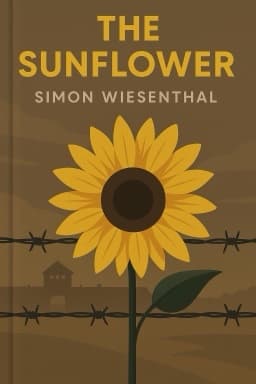
Outside the sterile walls of the hospital, a field of sunflowers stretches toward the sun, their golden faces turned upward. These flowers, growing on the graves of soldiers, become a poignant symbol of life persisting amidst death. They reflect the paradox of beauty and horror intertwined, offering a silent message that even in the darkest times, hope endures.
This first encounter sets the tone for a journey that explores the depths of human suffering and the heights of moral courage. It invites us to step into the shoes of those who lived through unimaginable horrors and to wrestle with questions that remain urgent today. As we move forward, we will delve into the complexities of forgiveness, the burden of collective memory, and the challenges of reconciliation, understanding that each step is both painful and necessary.
Let us now turn to the profound moral dilemma that arises from this encounter, a dilemma that challenges the very essence of what it means to forgive and to be human.
What does the sunflower symbolize in the story?
17 more quizzes available in app
The central event that triggers the moral and emotional struggle.
8 more insights available in app
Unlock all 9 sections, 9 insights, full audio, and interactive mind map in the SnapBooks app.
Dive deep into one of the most profound ethical questions posed by a Holocaust survivor’s encounter with a dying Nazi soldier.
Read articleWhy one man’s silence in a concentration camp still sparks fierce debate about mercy and justice.
Read article