
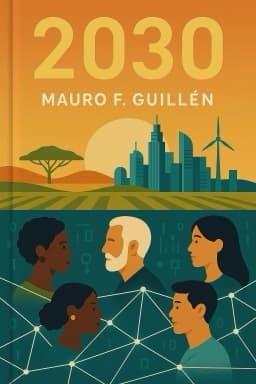
The Baby Drought and the African Boom: How Population Shifts Will Change Everything by 2030
Dive into the contrasting population trends shaping the future: the decline in developed countries and explosive growth in Africa.

The global population story is no longer one of uniform growth but of striking contrasts. Developed nations face a baby drought, with birth rates falling well below the 2.1 children per woman needed to maintain population size. This leads to aging societies, shrinking workforces, and increased dependency ratios, challenging social welfare systems and economic growth.
In sharp contrast, Africa is experiencing a population boom. Its population is expected to double by 2038, becoming the world’s second most populous region. This growth is driven by higher fertility rates and improvements in healthcare that reduce child mortality. Africa’s vast fertile lands and youthful population provide potential for an agricultural and industrial revolution that could transform its economy.
Migration is often proposed as a solution to population imbalances, but even doubling migration flows to developed countries would only slightly delay demographic shifts. Political resistance and logistical challenges limit migration’s scale and impact. Instead, countries must adapt to their demographic realities through innovation and policy reform.
These demographic transitions will have profound effects on global economics, politics, and culture. Developed countries will need to rethink labor markets and social support, while Africa’s growth offers both opportunities and challenges for sustainable development.
Sources: DNI Global Trends 2030 Report, CMO Council Global Mega Trends 1 2
Want to explore more insights from this book?
Read the full book summary