
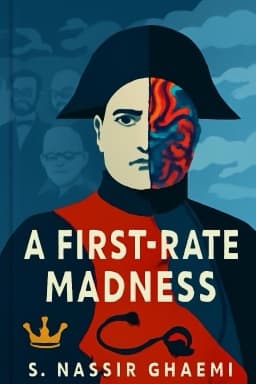
Depression Isn’t Just Sadness: How Realism and Empathy Forge Great Leaders
Discover the surprising benefits of depression in enhancing leadership judgment and connection.

Depression is often painted with a broad brush of sadness and dysfunction, but beneath this surface lies a profound cognitive and emotional gift that can transform leadership. The concept of depressive realism reveals that those experiencing depression often have a clearer, more accurate view of reality than their non-depressed peers.
Imagine a simple test where individuals press a button to light a lamp, but the lamp’s response is random. While most people believe they control the light more than they actually do, depressed individuals accurately perceive the randomness, avoiding illusions of control. This sober realism is invaluable for leaders navigating crises, where overconfidence can lead to catastrophic decisions.
But realism is only part of the story. Depression also deepens empathy. Neuroscientific studies show that mirror neurons—brain cells that fire both when we act and when we observe others—are more active in those with depression, amplifying emotional resonance. Hormones like oxytocin further enhance social bonding, enabling leaders to connect deeply with their followers’ struggles and aspirations.
Historical leaders who suffered from depression often channeled this emotional depth into transformative movements. Their ability to feel and understand collective pain fostered trust and inspired change, demonstrating that empathy born of suffering is a cornerstone of compassionate leadership.
By reframing depression as a source of insight and connection, we can appreciate the nuanced ways mental health shapes leadership and human resilience.
Sources: Shortform Summary, BP Hope Review, Goodreads
Want to explore more insights from this book?
Read the full book summary