
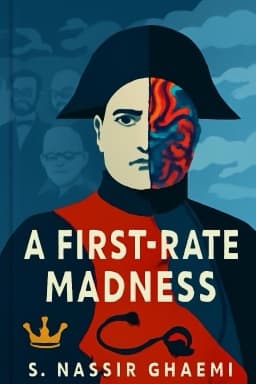
Mania, Depression, and Empathy: The Hidden Powers Behind Crisis Leadership
How mood disorders shape visionary leaders who transform chaos into opportunity.

What if the restless energy that keeps a visionary awake at night and the heavy weight of despair that darkens a leader’s soul are not signs of weakness but the very fuel for transformative leadership? This is the compelling narrative uncovered when we examine the lives of some of history’s most influential figures.
Mania, often misunderstood as mere instability, unleashes a torrent of creativity and relentless drive. Imagine a young entrepreneur in the 1980s, racing through the bustling streets with a mind ablaze with ideas for a 24-hour news revolution. His manic traits—reckless enthusiasm, rapid speech, and ceaseless activity—were the engines behind a media empire that changed how the world consumes information. Yet, this same energy carried risks: impulsivity, strained relationships, and personal turmoil.
In contrast, depression offers a different kind of power: clarity and empathy. The scientific phenomenon of depressive realism reveals that those with depression often see the world with unvarnished truth, accurately assessing control and risk without the distortions of optimism bias. This realism allows leaders to prepare for crises with sober caution and profound understanding.
Empathy, the emotional bridge between leader and follower, is amplified by depression’s deepening effect on the brain’s mirror neurons and oxytocin pathways. Leaders who have felt profound suffering themselves can connect authentically to their people’s pain, inspiring movements rooted in compassion and justice. The civil rights leaders of the 20th century exemplify this, transforming personal hardship into a collective call for change.
However, this potent combination requires balance. Mania’s brilliance can tip into recklessness, and depression’s insight can become paralyzing despair. The journey of such leaders is a tightrope walk, demanding resilience and self-awareness.
By embracing the complexity of mood disorders, we gain a richer understanding of what it takes to lead through chaos and inspire hope amid uncertainty.
Sources: Washington Post Review, Goodreads, BP Hope Review
Want to explore more insights from this book?
Read the full book summary