
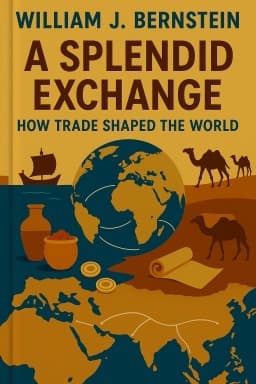
From Obsidian to Online: The Untold Story of Global Trade’s Epic Journey
Discover how trade evolved from prehistoric barter to the digital age, shaping human civilization in ways you never imagined.

Introduction: The Primal Impulse to Exchange
Trade is as old as humanity itself. Long before cities rose or empires formed, early humans recognized the value of exchanging goods and ideas. Imagine prehistoric communities bartering obsidian, prized for its razor-sharp edges, transported hundreds of miles across rugged terrains. These early exchanges were more than survival tactics; they were the seeds of civilization.
Maritime Marvels and the Islamic Golden Age
Fast forward to the 7th century CE, where the rise of Islam unified vast swathes of Asia, Africa, and Europe under shared religious and commercial principles. Muslim merchants, navigating the predictable monsoon winds of the Indian Ocean in sewn animal skin boats, established thriving trade diasporas. These communities spread spices, textiles, and knowledge, fostering unprecedented cultural and economic integration.
The Age of Discovery: Breaking Barriers and Building Empires
Europeans, eager to bypass Islamic-controlled routes, embarked on daring voyages around Africa and across the Atlantic. The Portuguese and Spanish established fortified ports controlling key maritime chokepoints like Malacca and Goa. Meanwhile, Columbus’s voyages initiated the Columbian Exchange, transferring crops, animals, and cultures between the Old and New Worlds.
Industrial Revolution: Technology as the Catalyst
The 19th century’s steamships, railroads, and telegraph lines transformed trade logistics and communication. Refrigerated ships enabled perishable goods like Argentine beef to reach European markets, revolutionizing diets and industries. Telegraph networks allowed instant communication, reducing risks and accelerating markets.
Ideologies and the Politics of Trade
Economic theories like Ricardo’s comparative advantage championed free trade, arguing for specialization and mutual benefit. Yet, protectionism and social resistance emerged as industries and workers faced displacement. The complex interplay of economics and politics shaped trade policies and global relations.
The Corporate Age and the Rise of Multinationals
Powerful trading companies like the Dutch and English East India Companies combined commerce and military might to dominate trade and colonize territories. Their joint-stock structures pioneered modern corporate finance.
Crises, Resistance, and the Fragility of Global Trade
The Great Depression, world wars, and anti-globalization protests revealed trade’s vulnerabilities. Protectionism, blockades, and geopolitical tensions disrupted commerce, while movements like the 1999 Seattle protests highlighted social concerns about globalization.
Modern Trade: Technology, Power, and Complexity
Containerization, air freight, and the internet have made trade faster and more accessible. Emerging economies like China have reshaped supply chains and trade policies. Yet, disputes over tariffs, intellectual property, and sustainability persist.
Looking Ahead: Lessons and Hopes
Trade’s long history teaches us that innovation, cooperation, and adaptation are essential. The future demands balancing prosperity with equity and sustainability. By learning from the past, we can build a trade system that enriches lives and protects our planet.
Want to explore more insights from this book?
Read the full book summary