
How to Build a Culture of Adaptability: Lessons from Winning Teams
What the Best Organizations Do Differently to Thrive

What the Best Organizations Do Differently to Thrive
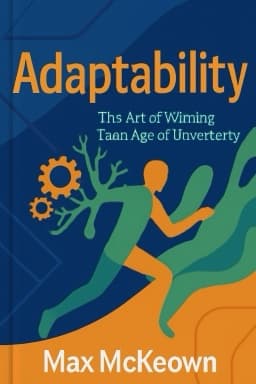
What separates world-class organizations from the rest? It’s not just talent or resources—it’s culture. In 'Adaptability,' Max McKeown makes a compelling case that the most resilient and innovative organizations are those that have built cultures designed for change. These cultures are not accidental; they are the result of deliberate choices by leaders who understand the importance of learning, experimentation, and psychological safety.
Rituals and Shared Values
Adaptive cultures are anchored by rituals—shared practices that build trust and unity. Whether it’s a daily standup meeting, a weekly reflection session, or a company-wide hackathon, these rituals provide stability while encouraging creativity. McKeown highlights sports teams that use post-game debriefs to learn from both victories and defeats, and businesses that celebrate 'failure stories' as much as successes.
Storytelling and Identity
Stories are powerful tools for shaping culture. Leaders who share stories of adaptation—how the team overcame adversity, how a bold experiment paid off—help embed adaptability into the organization’s DNA. These narratives inspire others to take risks and see change as an opportunity.
Collective Intelligence and Open Dialogue
The best ideas often come from unexpected places. Adaptive organizations create spaces where everyone’s voice is heard. McKeown points to companies that use digital platforms to crowdsource ideas and feedback, and to teams that rotate leadership roles to keep perspectives fresh.
Rewarding Experimentation
In adaptive cultures, experimentation is not just allowed—it’s encouraged. Leaders reward those who try new things, even if they fail. This reduces fear and unleashes creativity, leading to breakthroughs that would never happen in risk-averse environments.
Sustaining Learning and Evolution
Finally, adaptive cultures build systems that make learning continuous. This might mean regular training, mentorship programs, or cross-functional projects. The key is to make adaptation a habit, not a reaction.
Conclusion
Building a culture of adaptability is the ultimate competitive advantage. It’s what allows organizations to survive disruption, seize new opportunities, and keep winning—no matter what the future holds.
Sources: 2 3 4
Want to explore more insights from this book?
Read the full book summary