
7 Shocking Truths About Anglo-Saxon Kings That Will Blow Your Mind!
Discover the Untold Stories of Power, Betrayal, and Faith Behind England’s Earliest Rulers

When you think of kings, you might imagine regal figures seated on thrones, surrounded by courtiers and splendor. But the reality of Anglo-Saxon kings was far more gritty, complex, and fascinating. These rulers were warriors, diplomats, and spiritual leaders all rolled into one — and their stories are filled with surprises.
Truth #1: Kingship began as warrior bands, not inherited crowns. Early rulers earned power through strength, alliances, and tribute, not mere birthright.
Truth #2: Christianity transformed kingship. Conversion wasn’t just spiritual; it was political, providing kings with divine authority and new tools to govern.
Truth #3: The Synod of Whitby was a game-changer. This council settled religious disputes and unified England’s church under Roman practices, strengthening royal power.
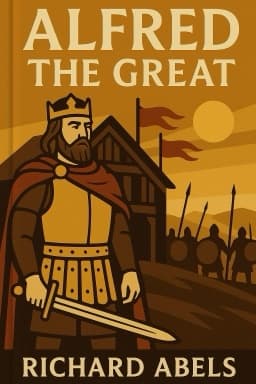
Truth #4: Alfred the Great wasn’t just a warrior. He was a scholar and legislator who promoted education, translated texts, and reformed laws — a true renaissance man.
Truth #5: Noble families like the Godwinesons played kingmakers and breakers. Their rivalries and alliances shaped the fate of the kingdom in the years before 1066.
Truth #6: Kings were expected to protect both body and soul. They led armies and supported the church, embodying the fusion of military and spiritual leadership.
Truth #7: The Norman Conquest ended Anglo-Saxon rule but also preserved much of its legacy, blending cultures and shaping England’s future.
These truths reveal a world where power was contested daily, faith was a source of strength, and leadership required courage and vision. The Anglo-Saxon kings were not just rulers of their time but architects of a legacy that still echoes today.
For a deeper dive into these fascinating figures and their stories, consider exploring works by Frank Stenton and other historians who bring this era to life 1 2 3 .
Want to explore more insights from this book?
Read the full book summary