
Unveiling Anglo-Saxon England: The Untold Secrets of a Forgotten Era
Journey through the Rise and Fall of Anglo-Saxon England and Discover How This Era Shaped Modern Britain

Imagine a land where the echoes of Roman legions fade into misty memories and new powers rise from the ashes. Anglo-Saxon England is a story of resilience, transformation, and the forging of an identity that still resonates in modern Britain. This era, stretching from the 5th to the 11th century, was anything but static — it was a time of dynamic change, cultural fusion, and spiritual awakening.
The collapse of Roman Britain left a void filled by Saxon settlers, whose arrival was marked by both conflict and settlement. The discovery of the Hoxne Hoard, a buried trove of gold and silver coins, reveals the fear and hope of those turbulent times. It symbolizes a society grappling with uncertainty, where treasures were hidden with the expectation of future recovery but often lost to history.
From these uncertain beginnings emerged early kings, warrior leaders who gathered tribute and protection under their banners. The Tribal Hidage reveals a fragmented landscape of many tribes and small kingdoms, competing and allying in a complex political dance. Burial mounds laden with grave goods signaled the rise of elite classes asserting their dominance through ancient traditions.
Amidst these earthly struggles, a new force illuminated the land — Christianity. Inspired by a vision of angelic Anglo-Saxon boys, missionaries from Rome arrived to convert kings and commoners alike. The presence of Christian queens like Bertha eased this transition, while kings such as Æthelberht embraced the faith, intertwining spiritual authority with royal power.
The Synod of Whitby marked a decisive moment, resolving disputes between Celtic and Roman Christian practices and uniting the English church under Rome. Saint Wilfrid’s passionate advocacy for Roman customs and the rise of monastic centers fostered learning, pilgrimage, and cultural cohesion.
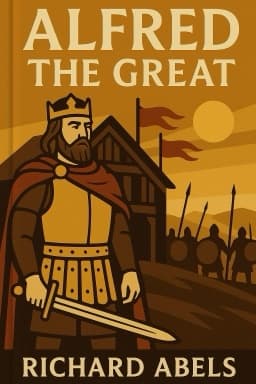
One king stands out in this narrative — Alfred the Great. Not only a formidable warrior, Alfred was a cultural visionary who promoted education, legal reform, and Christian values. His reign sparked a renaissance of learning and governance, exemplifying the fusion of military prowess and spiritual leadership.
Yet, the twilight of Anglo-Saxon England was marked by political intrigue and family rivalries, especially among the Godwinesons. Their ambitions shaped the kingdom’s destiny in the years leading to the Norman Conquest.
The Battle of Hastings in 1066 closed this chapter, with King Harold II’s death symbolizing the end of an era. The Bayeux Tapestry immortalizes this dramatic moment, illustrating the clash that ushered in Norman rule, feudalism, and profound cultural transformation.
Anglo-Saxon England’s story is one of endings and beginnings, of loss and renewal. It teaches us about the endurance of culture, the power of faith, and the complexities of leadership in times of change. As we reflect on this fascinating era, we uncover the roots of a nation and the timeless human spirit that shapes history.
For those eager to dive deeper, explore the detailed histories by Frank Stenton and other scholars who have illuminated this captivating period 1 2 3 4 .
Want to explore more insights from this book?
Read the full book summary