
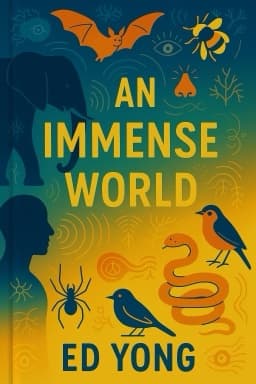
Invisible Maps and Living Batteries: The Astonishing Electric and Magnetic Senses of Animals
Explore how some animals detect electric and magnetic fields to navigate, hunt, and communicate in ways humans cannot.

Beyond the familiar senses lies a hidden dimension where animals detect electric and magnetic fields, revealing sensory worlds invisible to humans.
Electric fish generate weak electric fields to navigate murky waters and communicate. They detect distortions in these fields caused by objects or other animals, effectively using a biological radar. The platypus, with its bill covered in electroreceptors, hunts underwater with eyes closed, sensing the electric fields generated by prey muscle contractions.
Migratory birds possess an internal compass linked to specialized proteins in their eyes and magnetite particles in their beaks, enabling them to detect Earth’s magnetic field. This magnetoreception guides their epic journeys across continents and oceans. Sea turtles, salmon, and some insects also use magnetic cues for navigation.
Studying these senses is challenging due to their subtlety and invisibility to human technology, but understanding them expands our appreciation of animal perception and the complexity of life.
Sources: Ed Yong’s An Immense World, National Geographic, Scientific Reports.
Want to explore more insights from this book?
Read the full book summary