
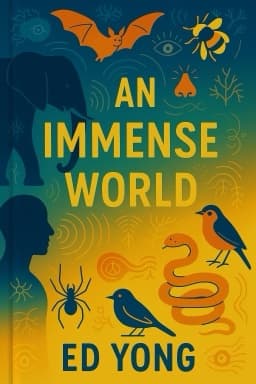
Why Protecting Animal Senses is Key to Saving Our Planet: The Hidden Crisis of Sensory Pollution
How human activities disrupt animal senses and what we can do to preserve the natural sensory landscapes.

As we deepen our understanding of animal senses, it becomes clear that human activities are disrupting the sensory environments animals depend on. This sensory pollution threatens biodiversity and ecosystem health.
Artificial light at night disrupts nocturnal animals’ vision and circadian rhythms, affecting feeding and reproduction. Noise pollution masks acoustic signals vital for communication and navigation, leading to disorientation and stress. Chemical pollutants interfere with olfactory cues essential for mating and foraging. Together, these factors degrade the quality of life for countless species.
Conservation must therefore include preserving sensory landscapes. Strategies include reducing light pollution by using wildlife-friendly lighting, managing noise through quiet zones and traffic control, and minimizing chemical contaminants through sustainable agriculture and waste management.
By acknowledging the sensory worlds of other creatures, we foster empathy and coexistence. Protecting animal senses is not just about preservation but about maintaining the intricate web of life that sustains us all.
Sources: Ed Yong’s An Immense World, The Guardian, Conservation Biology.
Want to explore more insights from this book?
Read the full book summary