
Silent Spring: The Book That Quieted the Birds and Shook the World
How One Book Sparked a Global Environmental Revolution and Changed Our View of Nature Forever

In the early 1960s, a quiet revolution was brewing in the pages of a book that would forever alter humanity’s relationship with the natural world.
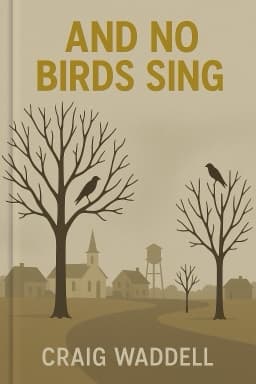
Carson’s narrative begins with a fable of a town where the birds no longer sing—a metaphor that captured the imagination and fear of readers worldwide. This symbolic silence represented the death of ecosystems, caused by the invisible spread of chemical pesticides. The book’s powerful metaphor was not merely poetic but deeply grounded in scientific evidence, blending fact and myth to engage both intellect and emotion. This approach helped the book transcend academic circles, reaching millions and sparking a new environmental consciousness.
However, the book’s publication was met with fierce opposition from chemical companies, who feared the loss of profits and influence. They launched aggressive campaigns to discredit Carson and her work, yet paradoxically, these attacks only amplified public interest and concern. The controversy underscored the tension between economic interests and environmental health—a theme that remains relevant today.
Silent Spring’s impact was immediate and profound. It catalyzed the environmental movement, leading to the establishment of regulatory bodies such as the Environmental Protection Agency (EPA) and the banning of DDT in the US. Moreover, it popularized the term 'ecology' and helped embed environmental awareness into mainstream culture, inspiring activists, scientists, and ordinary citizens alike.
Beyond its historical significance, Silent Spring offers enduring lessons about the power of storytelling, the importance of scientific integrity, and the need for humility in our relationship with nature. It reminds us that progress must be measured not only by economic gain but by ecological sustainability and ethical responsibility.
As we reflect on this remarkable book, we recognize its role as a beacon of hope and a call to action. It challenges us to listen closely to the silent warnings of nature and to act with wisdom and care for the planet we share. The legacy of Silent Spring is not confined to history; it lives on in every effort to protect biodiversity, promote sustainable agriculture, and advocate for a healthier environment.
For those seeking to understand the origins of environmentalism and the ongoing struggle to balance human progress with ecological health, Silent Spring remains an essential guide. Its story is one of courage, clarity, and compassion—a testament to the power of one voice to change the world.
To dive deeper into the themes and impact of Silent Spring, continue exploring our series of blogs that unravel its complex narrative, cultural context, and continuing relevance.
Sources: Want to explore more insights from this book?