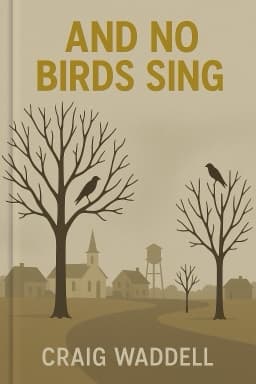
Craig Waddell (Editor)
A scholarly exploration of the rhetorical strategies and cultural impact of Rachel Carson's Silent Spring, highlighting its role in shaping modern environmentalism.
Silent Spring was initially rejected by several magazines due to fear of losing advertising from chemical companies.
Section 1
10 Sections
As we embark on this journey through the profound insights of 'And No Birds Sing,' we begin by understanding the monumental impact of a book that forever altered humanity's relationship with nature. Imagine a quiet rural town, where the dawn chorus of birdsong has mysteriously vanished. This haunting silence, borne from the invisible but deadly fall of pesticides, encapsulates the core message that stirred a global awakening.
The metaphor of silence—birds no longer singing—became a powerful symbol, transforming scientific data into a narrative that touched hearts and minds. This strategy exemplifies the unique fusion of science and art that defines the book’s rhetorical genius. Through this lens, we see how storytelling can mobilize public action, leading to policy reforms and the birth of the modern environmental movement.
Understanding this initial impact sets the stage for deeper exploration of the rhetorical strategies, cultural contexts, and visionary ideas that underpin Silent Spring’s enduring legacy. As we move forward, we will unravel how the book’s opening fable was crafted, how it redefined progress, and how it resonated within the anxieties and hopes of its time. Let us turn now to the inventive process behind that unforgettable fable, the gateway to Carson’s world-changing message.
What was the primary catalyst for the environmental movement according to the audiobook?
19 more quizzes available in app
The book sparked a major environmental movement and led to significant policy changes.
8 more insights available in app
Unlock all 10 sections, 9 insights, full audio, and interactive mind map in the SnapBooks app.
How One Book Sparked a Global Environmental Revolution and Changed Our View of Nature Forever
Read articleFrom Chemical Industry Backlash to Global Environmental Legislation: The Story Behind the Movement
Read article