
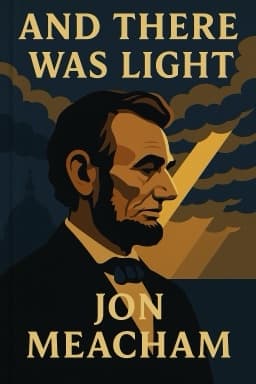
How Abraham Lincoln’s Self-Education Changed America Forever
Explore how Lincoln’s relentless pursuit of knowledge shaped his leadership and the fate of a nation.

In an era when formal education was a luxury for many, Abraham Lincoln’s thirst for knowledge was nothing short of revolutionary. With less than a year of formal schooling, Lincoln’s education was largely self-directed, driven by a stubborn and constant desire to learn. He devoured books by candlelight in a humble cabin, using whatever materials he could find to practice reading and writing.
Among his treasured texts were the King James Bible, which provided moral guidance and eloquent language; Lindley Murray’s English Reader, which taught grammar and composition; and Grimshaw’s History of the United States, which framed the story of America’s founding and ideals. These books were more than educational tools—they were windows to a larger world and a catalyst for Lincoln’s political awakening.
Lincoln’s self-education was not merely about acquiring knowledge but about empowerment. It allowed him to rise above the physical toil of frontier life and engage in the political debates of his time. His early speeches reflected a deep understanding of history, law, and governance, making him a respected voice in his community and beyond.
This story of relentless learning is a powerful reminder that education is not confined to classrooms or formal institutions. Lincoln’s journey inspires all who seek to improve themselves through curiosity, discipline, and a love of ideas. His legacy underscores the transformative power of self-education in shaping not only individual lives but the destiny of nations.
Sources: Biography.com, Britannica, Venice Review 2 1 3
Want to explore more insights from this book?
Read the full book summary