
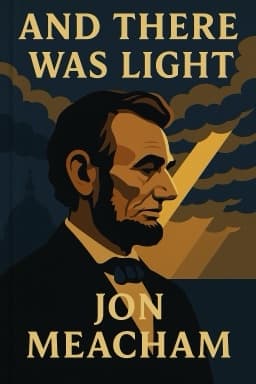
The Moral Battles Lincoln Fought: Faith, Doubt, and Leadership in Crisis
An intimate look at Lincoln’s spiritual struggles and how they informed his presidency during America’s darkest hours.

Abraham Lincoln’s presidency was marked not only by political turmoil but by profound spiritual struggle. Unlike many leaders of his time, Lincoln never formally joined a church, yet his mind was deeply engaged with the moral teachings of the Bible. His faith was personal, evolving, and often marked by doubt, reflecting a leader wrestling with the weight of divine justice amid national catastrophe.
Throughout his speeches and letters, Lincoln invoked biblical themes not as mere rhetoric but as reflections of his inner conflict. His second inaugural address, one of the most profound presidential speeches ever delivered, meditates on sin, judgment, and reconciliation. He portrayed the Civil War as divine punishment for the sin of slavery, yet called for charity and malice toward none, embodying a vision of leadership grounded in humility and grace.
Lincoln’s famous statement, 'When I do good I feel good, when I do bad I feel bad, and that’s my religion,' captures his practical and deeply human approach to faith. His leadership was defined by moral courage, the willingness to confront uncertainty, and the resolve to pursue justice despite immense pressure.
This intimate look at Lincoln’s spiritual journey offers timeless insights into the role of conscience, doubt, and moral reflection in leadership. It reminds us that true courage often involves wrestling with difficult questions and remaining steadfast in the pursuit of what is right.
Sources: Britannica, Biography.com, Venice Review 1 2 3
Want to explore more insights from this book?
Read the full book summary