
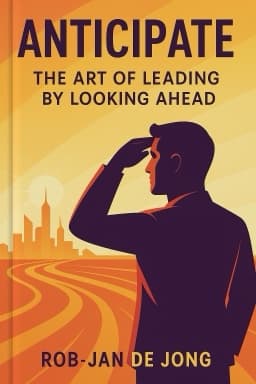
Why Vision Alone Isn’t Enough: The Hidden Skills Every Leader Needs
Explore the essential complementary skills that transform vision into impactful leadership.

Vision is often hailed as the hallmark of great leadership. Yet, many leaders with grand visions fail to realize them. Why? Because vision alone is insufficient.
First, seeing things early is crucial. The world is awash with information, but only a few signals hint at future shifts. Leaders must cultivate the ability to discern these meaningful signals amid noise. Practices like FuturePriming and embedding future scanning into leadership routines enhance this skill.
Second, connecting the dots is equally vital. Early signals must be woven into coherent narratives that make sense of complexity and inspire action. Coherence balances creativity with realism, preventing premature or misguided bets.
Without these skills, vision risks becoming a vague dream or a disconnected set of ideas. For example, a visionary who spots emerging tech trends but cannot articulate their relevance may lose followers' confidence. Conversely, a leader who tells compelling stories without timely insight may appear out of touch.
Authenticity and passion are the emotional glue that binds vision with followers. Authentic leaders build trust by aligning words with actions, while passion fuels perseverance and enthusiasm.
Developing these complementary skills requires deliberate effort. Exercises such as the obituary reflection help clarify values and anchor vision in authentic purpose. Storytelling workshops enhance communication, and scenario planning sharpens early detection.
In sum, visionary leadership is a blend of insight, integration, authenticity, and communication. By cultivating these hidden skills, leaders can turn vision into transformative impact.
Want to explore more insights from this book?
Read the full book summary