
Inside Judge Holden’s Mind: The Most Terrifying Character in Literature Explained
Decoding the mythic enigma of Judge Holden and his chilling worldview

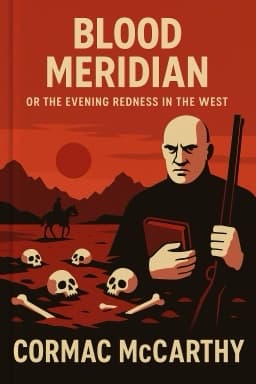
Few characters in literature evoke as much dread and fascination as Judge Holden. Described as a giant bald man without eyebrows or eyelashes, his almost supernatural presence dominates every scene he enters.
His philosophy is chillingly clear: war is god, the ultimate trade that predates man and will outlast him. This belief frames his every action and speech, presenting violence not as a regrettable necessity but as the fundamental truth of existence.
The Judge’s interactions with the Kid and the Glanton Gang reveal his manipulative and merciless nature. He kills without remorse, lectures on fate and free will, and remains an unchanging, almost mythic figure throughout the novel. His physical description—hairless, pale, and enormous—adds to his otherworldly aura, making him less a man and more a symbol of humanity’s eternal capacity for destruction.
Understanding Judge Holden is key to grasping the novel’s deeper themes. He challenges readers to confront the nature of evil, the meaning of free will, and the role of violence in human history. His presence turns the story into a philosophical battleground, where good and evil blur and the only certainty is the relentless march of war.
This blog explores these facets in depth, offering examples and interpretations that illuminate why Judge Holden remains one of literature’s most unforgettable and terrifying figures.
Want to explore more insights from this book?
Read the full book summary