
Unlocking the Secrets of Nonviolent Revolution: How Ordinary People Topple Tyrants Without a Fight
Discover the hidden strategies and inspiring stories behind the most effective peaceful uprisings in modern history.

Throughout history, revolutions have often been imagined as bloody battles between armies or heroic uprisings led by charismatic generals. Yet, the truth is far more inspiring: the most effective revolutions in recent decades have been led by ordinary people wielding nonviolent tactics with creativity, courage, and strategic insight.
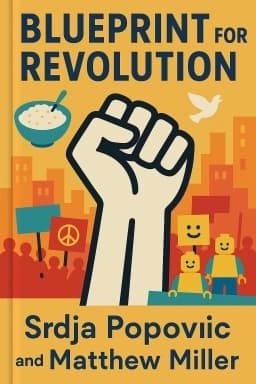
Consider the Serbian Otpor! movement, where college students began by spray-painting a simple clenched fist symbol across Belgrade. This low-risk, high-impact act created a visual brand that united thousands and challenged the regime’s narrative. The symbol became a beacon of hope, inviting others to believe that change was possible. Coupled with humor—turning the dictator into a laughingstock—the movement eroded fear and built momentum without firing a single bullet.
But success does not come from symbolism alone. Movements must start with achievable goals that resonate with everyday people. For example, a campaign in Israel began when an insurance salesman rallied citizens to boycott cottage cheese after its price doubled. This relatable cause quickly snowballed into widespread protests, forcing companies to lower prices and demonstrating how small victories inspire larger ones. Similarly, Harvey Milk’s early political work focused on cleaning up dog poop in San Francisco parks, building trust and a broad coalition before tackling larger civil rights issues.
Crafting a compelling vision for the future is equally critical. In the Maldives, activists used rice pudding parties—sharing a beloved local dish—as subtle acts of resistance, building community and hope under repression. Role-playing exercises helped activists understand diverse societal needs, allowing them to create an inclusive vision that promised dignity and justice for all.
Understanding the pillars of power that sustain dictatorships—economic elites, security forces, political institutions—is essential. Targeting these supports strategically, such as pressuring luxury hotels linked to ruling families or engaging disillusioned police officers, can destabilize regimes without violence.
Humor remains one of the most potent tools in this arsenal. Laughtivism—using jokes, satire, and playful protests—breaks fear and forces regimes into lose-lose scenarios. One famous stunt involved painting a dictator’s face on a barrel and inviting people to smash it. When police arrested the barrel itself, the absurdity exposed the regime’s impotence and garnered widespread support for the movement.
Oppression can backfire spectacularly when activists provoke overreactions that alienate the public and attract international sympathy. Peaceful acts like placing carnations in riot police shields humanize protesters and undermine the regime’s legitimacy.
Nonviolence is not only morally superior but strategically smarter. Research shows that nonviolent campaigns are nearly twice as likely to succeed as violent ones and tend to produce more durable democratic outcomes. Violence alienates potential supporters and justifies harsh crackdowns, while nonviolence draws broad participation and maintains moral authority.
Victory is only the beginning. Movements must sustain momentum, avoid premature celebration, and build democratic institutions to secure lasting change. Ordinary people—students, shopkeepers, electricians—are the true heroes, whose grassroots creativity and commitment write the future of freedom.
This blueprint for revolution combines belief, strategic small steps, vision, humor, targeting power structures, nonviolence, persistence, and the power of ordinary people. It is a universal language of hope and change that transcends borders and cultures.
For those inspired to make a difference, remember:
Explore more about these concepts in the works of Erica Chenoweth, Gene Sharp, and global activists who have transformed the world with peaceful resistance. For detailed training, manuals like those from the Nonviolent Conflict organization provide practical tools to apply these lessons effectively.
Join the movement, share your story, and be part of the peaceful revolution shaping tomorrow.
Want to explore more insights from this book?
Read the full book summary