
From Windigo to People of Corn: Stories That Shape Our Future
How ancient tales warn us about greed and teach us gratitude for a sustainable world.

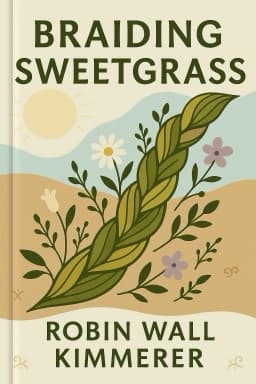
Stories carry the power to shape how we live and relate to the world. In Braiding Sweetgrass, Robin Wall Kimmerer shares two profound indigenous narratives that offer lessons for our time.
The Windigo is a terrifying creature embodying endless greed and selfishness. It devours everything but is never satisfied, ultimately destroying itself and the community around it. This story is a cautionary tale warning us about the dangers of overconsumption and disconnection from the land. It reminds us that unchecked greed leads to ruin.
In contrast, the People of Corn story from Mayan tradition tells how humans were created from corn, the sacred gift of the earth. This narrative emphasizes humility, gratitude, and living in balance with nature. It teaches that our survival depends on reciprocal relationships and respect for the gifts we receive.
These stories are more than folklore; they are moral compasses that guide behavior and values. They help communities remember their place within the web of life and the responsibilities that come with it.
Kimmerer shows how embracing these narratives can inspire ecological stewardship and cultural renewal. By choosing stories that foster respect and reciprocity, we can heal the rifts caused by exploitation and disconnection.
In a world facing environmental crises, these ancient tales offer wisdom and hope. They invite us to reflect on our actions and choose a path of balance, gratitude, and care.
Sources: Litcharts, Deliberate Owl, Brevity Magazine, The Fisheries Blog 1 2 3 4
Want to explore more insights from this book?
Read the full book summary