
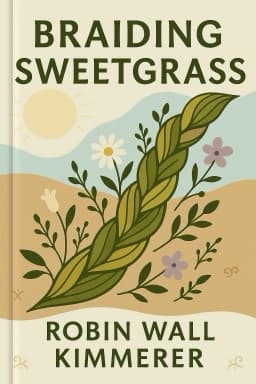
Unlocking the Secret Language of Plants: Lessons from Braiding Sweetgrass
How understanding the language of animacy can deepen our connection with the living world.
Have you ever considered how the words you speak shape your relationship with the world around you? In Braiding Sweetgrass, Robin Wall Kimmerer introduces readers to the Potawatomi language’s grammar of animacy—a linguistic system that recognizes plants, animals, and even natural phenomena as living persons. This perspective transforms our understanding of nature from a collection of objects to a community of subjects.
Unlike English, where we often refer to plants as “it,” Potawatomi speakers ask “Who is that?” when pointing to a tree or a river. This subtle difference carries profound ethical implications. By speaking of the world as animate and sentient, the language fosters a deep respect for all beings and embeds relational responsibilities into everyday conversation.
Kimmerer emphasizes that language is not neutral; it shapes how we think, feel, and act toward the environment. When we lose indigenous languages, we lose unique ways of seeing and relating to the earth. Currently, many native languages, including Potawatomi, face critical endangerment, with only a handful of fluent speakers remaining. This loss threatens not only cultural heritage but also ecological knowledge accumulated over generations.
Scientific research increasingly recognizes the value of traditional ecological knowledge held within indigenous languages. These languages encode detailed information about plant uses, animal behaviors, seasonal cycles, and sustainable harvesting practices. By revitalizing these languages, communities preserve vital wisdom that can aid in contemporary conservation efforts.
Embracing the grammar of animacy invites us to reconsider the words we use and the attitudes they reflect. It challenges the dominant culture’s tendency to objectify nature, encouraging instead a relationship of reciprocity and respect. Through language, we can begin to see ourselves not as conquerors but as members of a vibrant, living community.
Incorporating this worldview into education, science, and daily life offers a hopeful path toward healing the fractured relationship between humans and the natural world. It reminds us that the stories we tell and the words we choose carry the power to shape the future of the earth.
Sources: Litcharts, Deliberate Owl, Brevity Magazine, The Fisheries Blog 1 2 3 4
Want to explore more insights from this book?
Read the full book summary