
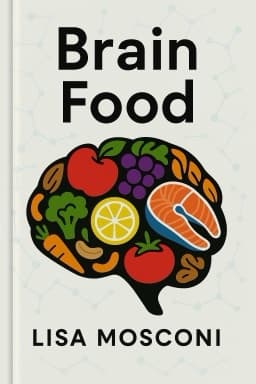
Brain Food Secrets: What Science Now Says About Eating for a Sharper Mind
Explore the latest discoveries on how specific nutrients and gut health shape your brain’s future.

Our brain is a marvel of biological engineering, demanding a specialized diet to maintain its delicate structure and complex functions. Unlike other organs, the brain’s fat is mostly structural, forming the membranes and myelin sheaths that insulate neurons and enable rapid communication.
Omega-3 fatty acids, particularly DHA and EPA, are essential fats that the brain cannot produce on its own. Consuming foods rich in omega-3s, such as wild-caught fish, walnuts, and flaxseeds, supports neuron flexibility and reduces inflammation, slowing cognitive decline.
Conversely, trans fats found in processed foods promote inflammation and increase dementia risk. Avoiding hydrogenated oils and processed snacks is critical for brain health.
Proteins supply amino acids—the building blocks of neurotransmitters like serotonin and dopamine—that regulate mood, memory, and sleep. Tryptophan and phenylalanine, found in chicken, eggs, and nuts, are precursors to these vital chemicals.
Carbohydrates fuel the brain exclusively with glucose, making complex carbs like whole grains and legumes essential for steady mental energy and focus.
Micronutrients such as B vitamins regulate homocysteine levels, a marker linked to cognitive decline, while antioxidants like vitamins C and E neutralize damaging free radicals.
The gut microbiome, a hidden organ of trillions of microbes, influences brain function through the gut-brain axis. Fermented foods like yogurt and kimchi, along with prebiotic fibers, nurture a healthy microbiome that produces neuroactive compounds, modulating mood and cognition.
Understanding these nutritional secrets empowers you to craft a diet that nourishes your brain’s structure and chemistry, enhancing mental clarity, emotional balance, and cognitive longevity.
Sources: CBS News on diet and Alzheimer's 1 , MedicalXpress on vitamin K 2 , Rush University on brain health diets 3 , ScienceDaily on omega-3 shortages 4 .
Want to explore more insights from this book?
Read the full book summary