
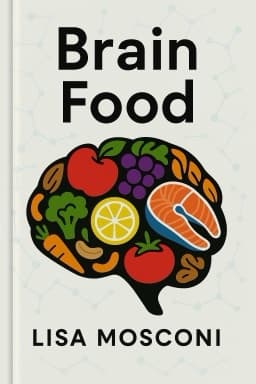
Unlock Your Brain’s Hidden Potential: The Ultimate Guide to Preventing Dementia with Food!
Discover how everyday foods can protect your mind and extend cognitive longevity in ways science is just beginning to understand.

Every year, millions face the devastating diagnosis of dementia, a condition that threatens memory, independence, and identity. But what if the key to protecting your mind lies not in a pill, but on your plate? Recent scientific breakthroughs reveal that the foods we eat daily can dramatically influence our brain’s aging process and risk of cognitive decline.
Brain diseases like Alzheimer's do not appear suddenly; they develop silently over decades. This long preclinical phase offers a golden window for prevention. Contrary to popular belief, your genes load the gun, but lifestyle pulls the trigger. Less than 1% of Alzheimer's cases stem from rare genetic mutations, meaning your daily choices matter more than inherited DNA.
Hydration is fundamental. The brain is about 80% water, and even mild dehydration impairs cognition, causing fatigue and brain fog. Drinking mineral-rich water and eating water-dense fruits and vegetables can boost mental clarity and mood.
Fats are the brain’s building blocks. Structural fats like omega-3 fatty acids maintain neuron flexibility and reduce inflammation, while harmful trans fats found in processed foods increase dementia risk. Incorporate wild salmon, walnuts, and flaxseeds into your diet, and avoid hydrogenated oils to protect your cognitive health.
Proteins provide amino acids essential for neurotransmitter synthesis, influencing mood, memory, and sleep. Foods rich in tryptophan and phenylalanine, like chicken, eggs, and nuts, support serotonin and dopamine production, the brain’s chemical messengers.
Carbohydrates fuel your brain exclusively with glucose. Opt for complex carbs such as whole grains and legumes to maintain steady energy levels and avoid cognitive dips caused by sugar spikes.
Micronutrients—vitamins B6, B12, folate, C, and E—act as antioxidants and co-factors in brain metabolism, protecting neurons from oxidative stress that accelerates aging. A colorful diet rich in fruits and vegetables delivers these vital compounds.
The gut microbiome, a hidden organ, profoundly influences brain function through the gut-brain axis. Fermented foods and prebiotic fibers nurture beneficial microbes that produce neuroactive compounds, modulating mood and cognition.
Genetics and epigenetics reveal that while our DNA provides a blueprint, lifestyle factors modify gene expression, personalizing brain health outcomes. Nutrigenomics is paving the way for tailored diets to optimize cognitive longevity.
Finally, adopting a Mediterranean-style diet, regular physical activity, hydration, restorative sleep, and mental engagement form a holistic lifestyle that empowers your brain to thrive.
This comprehensive approach transforms us from passive victims of aging into active guardians of our cognitive futures.
Sources: CBS News on MIND diet and Alzheimer's prevention 1 , Rush University on MIND Diet ranking 3 , MedicalXpress on vitamin K and brain health 2 , ScienceDaily on omega-3 shortage and brain impact 4 .
Want to explore more insights from this book?
Read the full book summary