
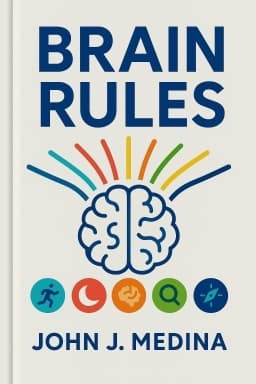
The Truth About Multitasking: Why Your Brain Can’t Do It and What To Do Instead
Stop juggling tasks and start focusing smarter — here’s the neuroscience behind attention and productivity.

We live in a world that glorifies multitasking, but the brain tells a different story.
Emotion is a powerful ally in capturing attention. When something evokes strong feelings, the brain releases dopamine, marking the experience as important and enhancing memory encoding. This explains why gripping stories or emotional content hold our focus better than dry facts.
The myth of multitasking stems from a misunderstanding of how the brain processes information. Rather than performing tasks in parallel, the brain switches rapidly between them, like a spotlight moving between different objects. This switching impairs efficiency and quality.
To work smarter, focus on one task at a time, taking breaks to reset attention. Incorporate emotionally engaging elements into work or study to sustain focus. Design your environment to reduce distractions and respect your brain’s natural attention span.
By embracing single-task focus and leveraging emotional engagement, you can dramatically improve productivity and learning outcomes.
Sources: Blinkist summary, ReadersBooksClub, Washington State University Media Kit 1 2 4
Want to explore more insights from this book?
Read the full book summary