
Fake News Then and Now: Media Hoaxes That Shook the World
From fabricated stories to Pulitzer scandals—how media hoaxes challenge trust and ethics.

Media hoaxes have long challenged the credibility of journalism and the trust of the public. The pressure to produce sensational stories and the race for exclusives create fertile ground for fabrications that can deceive even seasoned editors.
Stephen Glass’s scandal, where he fabricated numerous stories, exposed vulnerabilities in editorial oversight and highlighted the allure of sensationalism. Similarly, Janet Cooke’s fabricated story about an eight-year-old heroin addict won a Pulitzer Prize before being exposed, sparking debates about emotional storytelling and journalistic responsibility.
These cases underscore the importance of rigorous fact-checking, transparency, and accountability in journalism. The erosion of public trust due to such frauds has prompted reforms but also reveals ongoing challenges in an era of rapid information exchange and digital misinformation.
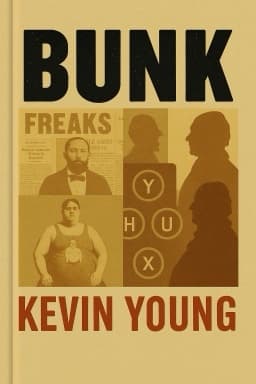
Understanding these historical media hoaxes provides valuable lessons for maintaining journalistic integrity today. For more, see Kevin Young’s "Bunk" and related media analyses. 1 2 4
Want to explore more insights from this book?
Read the full book summary