
Plagiarism, Identity, and the Literary Hoax: When Stories Become Lies
How forged letters and fabricated memoirs blur the line between truth and fiction in storytelling.
Stories connect us to the past and shape our identities, but when those stories are fabricated, they create a complex dance of belief and betrayal. Literary hoaxes, forged letters, and fabricated memoirs tap into this tension, offering narratives that are captivating yet deceptive.
Edgar Allan Poe exemplifies this paradox, accusing others of plagiarism while borrowing extensively himself. Forgers often create complex provenance and use pseudonyms to shield their fabrications, exploiting trust in historical documentation and the public’s appetite for intimate revelations.
Motivations behind literary hoaxes range from fame and financial gain to filling gaps in history or reshaping cultural narratives. Exposure of such hoaxes leads to reevaluation of historical understanding and highlights the fragile nature of truth.
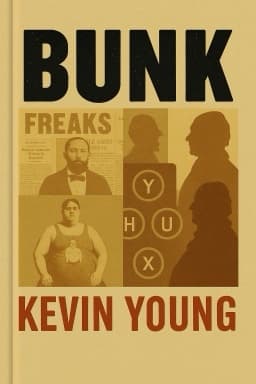
These stories remind us of the power of narrative and the importance of critical scrutiny. For an in-depth look, Kevin Young’s "Bunk" offers insightful perspectives. 1 2 4
Want to explore more insights from this book?
Read the full book summary