
The Great Divide: How the Intangible Economy Is Fueling Inequality (And What We Can Do About It)
Why the Rich Get Richer in a World Without Physical Capital

Why the Rich Get Richer in a World Without Physical Capital
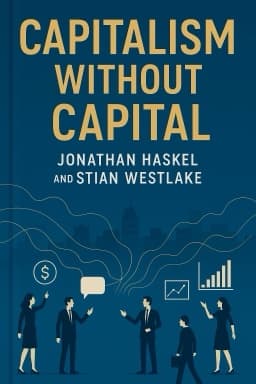
In the old economy, owning a factory or a fleet of trucks was the surest path to wealth. Today, the richest companies own little more than code, patents, and powerful brands. This shift has unleashed incredible growth for a lucky few—but it’s also creating new divides that threaten the fabric of society. Capitalism without Capital shows how the rise of intangibles is making inequality worse, not better.
Superstar firms—those with the best software, smartest teams, and strongest brands—can scale rapidly and capture global markets. Meanwhile, smaller competitors struggle to keep up, and whole regions are left behind. The productivity gap between leaders and laggards is growing, and with it, income and opportunity gaps. Traditional policies—like investing in roads and factories—aren’t enough anymore. We need new approaches: investing in digital infrastructure, reforming education to teach creativity and adaptability, and updating laws to support innovation and fair competition.
But there is hope. By recognizing the new rules of the game, we can design policies that help everyone benefit from the intangible revolution. That means supporting research, building inclusive digital networks, and ensuring that the gains from innovation are widely shared. The future of capitalism—and of our societies—depends on it. 2 4
Want to explore more insights from this book?
Read the full book summary