
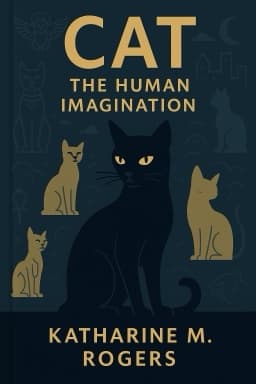
From Pest Controllers to Pampered Pets: How Cats Won Our Hearts
Trace the transformation of cats from practical hunters to beloved household companions and cultural icons.

Cats’ journey into human homes began with their unmatched ability to hunt rodents, protecting valuable grain stores and food supplies. However, early records reveal that cats were valued not just for their utility but also for their companionship. A 9th-century Irish monk penned a heartfelt poem about his cat, expressing a bond based on mutual respect and affection.
By the 18th and 19th centuries, cats had become symbols of gentility and domestic virtue. Aristocrats and artists portrayed cats in paintings and poetry, emphasizing their grace and charm. The Victorian era especially saw the rise of the cat fancy movement, with organized cat shows, breed standards, and pedigree clubs elevating cats’ social status. Breeds like the Persian and Siamese became symbols of refinement and beauty.
Despite this formalization, cats retained their independent spirits. Unlike dogs, they did not become obedient servants but maintained a balance between closeness and aloofness. This unique dynamic challenged owners to appreciate cats on their own terms, fostering relationships built on respect and understanding.
Today, cats are among the most popular pets globally, cherished for their companionship, beauty, and mysterious nature. Their history as both hunters and friends enriches our appreciation of their complex roles in human life.
Understanding this transformation helps us honor the deep bond between humans and cats, rooted in history and affection.
Sources: CatsLuvus Cultural Journey 3 , Wikipedia Cultural Depictions of Cats 1 , History.com Cats in Ancient Egypt 2
Want to explore more insights from this book?
Read the full book summary