
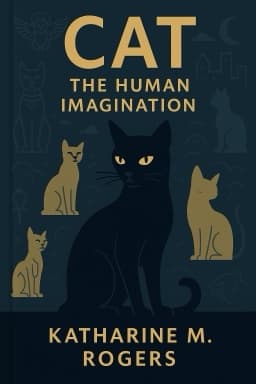
Why Cats and Women Have Always Been Connected: The Cultural Story
Explore the deep-rooted symbolic link between cats and women across history and art.

The association between cats and women is ancient and profound. In Egyptian mythology, the goddess Bastet represented fertility, maternity, and female allure, often depicted as a lioness or a woman with a cat’s head. This divine link established cats as symbols of feminine power and protection.
Art from the Renaissance onward frequently shows women with cats, using the feline as a symbol of the sitter’s personality or social role. Cats in these portraits often echo the woman’s posture or gaze, reinforcing themes of charm and subtle power. Yet, this connection is layered with ambivalence. Cats were also linked to prostitutes due to their grooming habits and perceived sexual freedom, reflecting societal tensions about female sexuality.
This dual symbolism—celebration and suspicion—illustrates how cats serve as metaphors for complex gender dynamics. Literary and artistic works use cats to explore femininity’s contradictions: independence versus societal expectations, allure versus moral judgment.
Despite these complexities, many women have found in cats companions who reflect their own complexity and autonomy. The quiet, selective affection of cats offers solace and affirmation, transcending stereotypes and enriching human relationships.
Understanding this cultural link deepens our appreciation of both cats and the feminine archetypes they embody.
Sources: Wikipedia Cultural Depictions of Cats 1 , Medium: Symbolism of Cats in Art and Culture 4 , CatsLuvus Cultural Journey 3
Want to explore more insights from this book?
Read the full book summary