
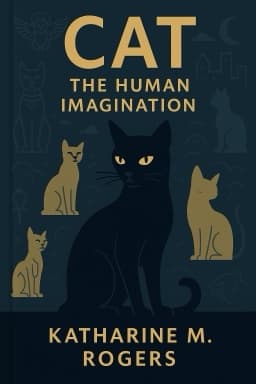
Why Cats Are the Ultimate Mystery: Exploring Their Magical and Mythical Roles
Unveil the magical myths and superstitions that have surrounded cats throughout history and across cultures.

Cats have long been cloaked in mystery, their silent steps and glowing eyes inspiring awe and fear. In medieval Europe, cats were often linked to witchcraft and the devil, believed to be familiars that aided witches in their dark deeds. This association led to tragic consequences, including mass persecutions and the gruesome ritual of burning cats to ward off evil.
Across the world in Japan, cats appear in folklore as supernatural entities capable of shape-shifting into women or spirits that could either protect or terrorize villages. These stories blend the natural stealth and independence of cats with the human fascination for the unknown. The cat’s ability to move unseen and its nocturnal habits made it a perfect symbol for the mysterious and otherworldly.
Despite their sometimes dark reputation, cats have also been seen as bringers of good fortune. In France, the black tomcat known as the matagot was believed to bring wealth to those who cared for it well. The Japanese maneki-neko, or beckoning cat, remains a popular talisman for good luck and prosperity worldwide.
The cat’s enigmatic nature continues to inspire art, literature, and popular culture. Their inscrutable expressions and independent spirits invite us to imagine hidden worlds and secret powers. They are creatures of paradox, embodying both comfort and danger, familiarity and the unknown.
Understanding these myths enriches our appreciation of cats beyond their physical presence, revealing how deeply they have influenced human culture and imagination.
Sources: Wikipedia Cultural Depictions of Cats 1 , Medium: Symbolism of Cats in Art and Culture 4 , CatsLuvus Cultural Journey 3
Want to explore more insights from this book?
Read the full book summary