
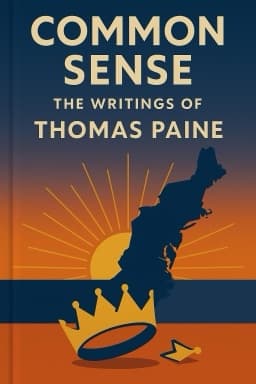
From Pamphlet to Revolution: How 'Common Sense' Mobilized a Nation
Explore the powerful role of 'Common Sense' in transforming colonial dissent into a unified fight for freedom.

In an era when political discourse was often confined to elites, Thomas Paine’s 'Common Sense' broke barriers by speaking plainly to the people.
The pamphlet’s success lay partly in its timing and style. Published at a moment of escalating tensions, it addressed the fears and hopes of everyday colonists. Paine’s use of straightforward language and relatable examples made complex political theories accessible, empowering readers to question authority and envision a new future.
Distribution networks, including taverns, meeting houses, and print shops, ensured the pamphlet reached a broad audience. Its ideas resonated across social classes and regions, fostering a sense of shared purpose despite the colonies’ diverse origins and interests.
Moreover, 'Common Sense' helped shift the political conversation from reconciliation to independence. By framing the struggle as a moral imperative and exposing the flaws of monarchy and British rule, it convinced many who were previously undecided or loyalist-leaning to support revolution.
The pamphlet also inspired other revolutionary writings, speeches, and debates, amplifying its impact. It became a foundational text for leaders and citizens alike, shaping the ideological landscape of the emerging nation.
Ultimately, 'Common Sense' demonstrates the transformative power of ideas when communicated with clarity and passion. It reminds us that revolutions are not only fought on battlefields but in minds and hearts.
Want to explore more insights from this book?
Read the full book summary