
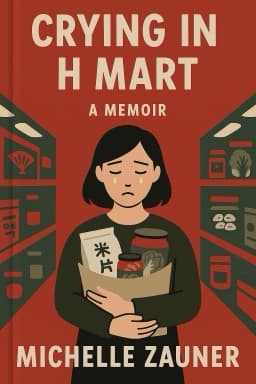
How Food Became the Language of Love and Loss in 'Crying in H Mart'
Exploring the Powerful Role of Food in Healing and Remembering

Food is often described as a universal language, but in Michelle Zauner’s deeply moving memoir Crying in H Mart, it takes on an even more profound role. It becomes the voice of her mother’s love, a repository of memories, and a lifeline in the turbulent sea of grief.
Zauner’s story begins in the aisles of H Mart, a Korean grocery store that symbolizes more than just a place to shop. It is a cultural sanctuary where the smells, tastes, and textures evoke her mother’s presence and their shared heritage. The act of selecting ingredients, preparing meals, and savoring traditional dishes becomes a ritual of remembrance and connection.
Throughout the memoir, Zauner describes how certain foods trigger powerful waves of emotion — the tartness of fermented radish kimchi left out to ferment longer, the softness of rice cakes, the comfort of seaweed soup. These sensory experiences are deeply tied to identity and loss, illustrating how food transcends mere nutrition to become a vessel of cultural and familial memory.
Food also plays a pivotal role in caregiving. As Zauner cares for her mother through illness, preparing favorite dishes becomes an act of love and defiance against the ravages of disease. These moments are tender and raw, revealing the intimate bond between nourishment and emotional support.
The memoir highlights the broader cultural significance of food within Korean families and diasporic communities. Communal eating, sharing banchan side dishes, and the rituals surrounding meals reinforce social bonds and provide comfort. The Korean food court, bustling with life and tradition, serves as a gathering place where identity is celebrated and sustained.
In exploring these themes, Zauner’s memoir resonates with anyone who has found solace in the tastes of home or used food to connect with loved ones across time and space. It reminds us of the healing power embedded in cultural traditions and the simple yet profound ways food can speak when words fall short.
Ultimately, Crying in H Mart teaches that through food, love endures, memories thrive, and healing begins.
Sources: Amazon Reviews 1 , Papersowl Analysis 2 , Tasteful Rude Review 4
Want to explore more insights from this book?
Read the full book summary