
10 Historical Power Struggles That Prove China and the US Could Go to War — Or Not
From Athens vs. Sparta to the Cold War, uncover ten epic power struggles that reveal patterns shaping today's US-China rivalry.

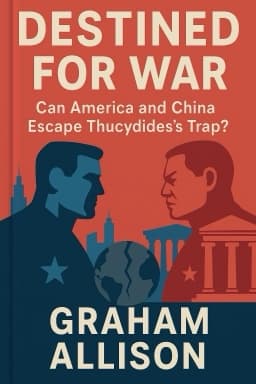
History offers a compelling lens to understand the intense rivalry between the United States and China. The concept of the Thucydides Trap reveals a recurring pattern: when a rising power threatens to displace a ruling one, tensions mount and war often follows — but not always.
Let’s explore ten historic power struggles that echo today’s geopolitical contest.
- Athens vs. Sparta (Peloponnesian War): The original Thucydides Trap, where Athens’ rise threatened Sparta, leading to a brutal 27-year war.
- Britain vs. Germany (Pre-WWI): Naval arms races and economic competition escalated fears and alliances, culminating in World War I.
- Japan vs. United States (Pre-WWII): Japan’s rapid modernization and territorial expansion clashed with US interests, sparking the Pacific War.
- US vs. USSR (Cold War): A rivalry managed through nuclear deterrence and diplomacy, avoiding direct conflict despite proxy wars.
- Rome vs. Carthage (Punic Wars): Ancient superpowers battling for Mediterranean dominance, with devastating wars but eventual Roman ascendancy.
- France vs. Britain (18th Century): Colonial and naval rivalry fought across continents but also tempered by shifting alliances.
- Ottoman Empire vs. Habsburgs: Centuries of conflict over Europe’s balance of power, marked by wars and uneasy coexistence.
- Russia vs. Sweden (Great Northern War): A contest for Baltic supremacy that reshaped northern Europe’s power map.
- China vs. Mongol Empire: A clash of civilizations that resulted in conquest but also cultural blending.
- US vs. Japan (Post-WWII): Transition from enemies to strategic partners, illustrating the possibility of reconciliation and cooperation.
These examples reveal common themes: fear of displacement, competition for resources and prestige, and the role of leadership in escalating or defusing tensions. While war has often been the outcome, some cases show that peace and accommodation are possible with effort and vision.
Understanding these historical precedents helps us appreciate the complexity of the US-China relationship and the urgent need for prudent policies to avoid repeating past mistakes.
The stakes could not be higher. As we navigate this defining rivalry, history is both a warning and a guide — urging us to learn, adapt, and choose peace.
Want to explore more insights from this book?
Read the full book summary